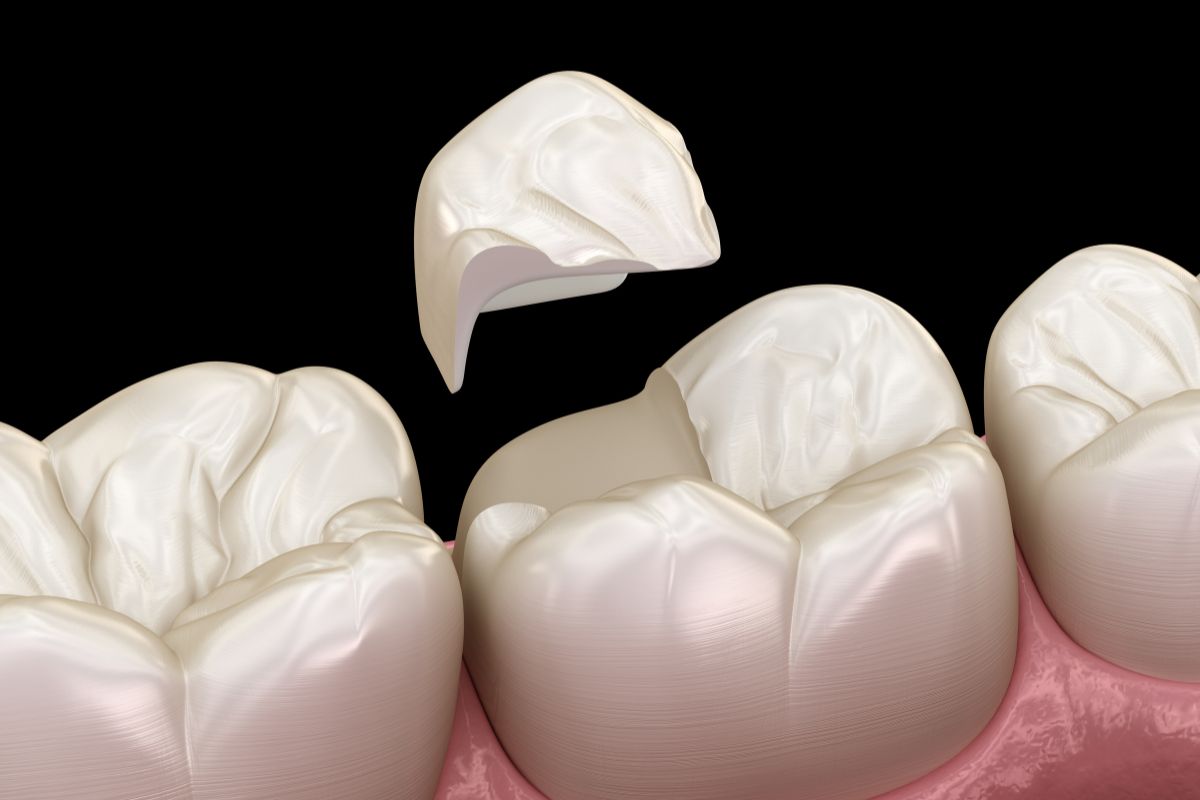
A dental abscess, along with concerns like dental abscess symptoms, treatment, and self-care, can cause sudden pain and swelling that requires fast attention. Many Colorado Springs patients visit our dental practice, Apple Grove Dental, after noticing pressure, heat sensitivity, or gum swelling that appears without warning. Because a dental abscess forms when harmful bacteria get trapped inside a tooth or gum tissue, early care—often through a same-day appointment—helps prevent serious complications and protects your overall health.
What Is a Dental Abscess?
A dental abscess occurs when bacteria enter the inner layers of a tooth or infect nearby gum tissues. As pus forms and pressure builds, you begin to feel throbbing or sharp discomfort. The infection may spread into the jaw or face if not treated quickly, so understanding how an abscess develops is important for early detection.
Types of Dental Abscesses We Commonly Treat in Colorado Springs
Periapical Abscess
Forming at the tip of a tooth root, usually due to deep decay or trauma.
Periodontal Abscess
Begins in the gums near the tooth, often linked to gum disease or trapped debris.
Gingival Abscess
A surface-level infection in the gum caused by irritation, injury, or foreign objects.
If you notice any pain or swelling, remember that the trusted emergency dentist in Colorado Springs, Apple Grove Dental, offers same-day appointments to help you get fast relief and prevent the infection from spreading.
Dental Abscess Symptoms to Watch Closely
Many patients report that their pain escalated suddenly within hours. Knowing the main dental abscess symptoms allows you to act quickly.
Common signs include:
- Throbbing or sharp tooth pain
- Facial or gum swelling
- Sensitivity to heat, cold, or pressure
- A bitter taste or bad breath
- Pain spreading to the jaw, ear, or neck
- Fever or a general feeling of weakness
- Difficulty chewing or opening the mouth
- A pimple-like bump on the gums that may leak pus
If any of these symptoms appear, scheduling a same-day appointment is highly recommended to prevent complications.
What Causes a Dental Abscess?
A dental abscess forms when bacteria invade the deeper layers of the tooth or gum tissues. The most common causes include:
Poor Oral Hygiene:
Plaque buildup increases the chance of bacterial infection.
Untreated Tooth Decay
Deep cavities offer bacteria a direct path to the tooth’s nerve.
Gum Disease
Inflamed gum pockets allow bacteria to settle and multiply.
Cracks or Chips
This creates openings for bacteria to reach the inner tooth.
Failed Dental Restorations
Old or loose fillings and crowns may expose sensitive areas.
In Colorado Springs, we often see abscesses develop due to delayed care or skipped routine checkups—both of which are preventable with early treatment.
How Apple Grove Dental Diagnoses a Dental Abscess
During your appointment, we use careful steps to identify the infection:
- A visual examination for swelling or redness
- Temperature and tapping tests
- Digital dental X-rays to check the depth of the infection
- Gum evaluations to detect periodontal pockets
This helps us understand the exact location and extent of the infection so we can recommend the right treatment.
Dental Abscess Treatment at Apple Grove Dental
A dental abscess requires professional care, as it will not heal on its own. Depending on the severity, we may recommend one or more of the following dental abscess treatments:
Draining the Abscess
Releases pus and pressure, offering fast pain relief.
Root Canal Therapy
Removes infected tissue from inside the tooth and saves the natural structure.
Tooth Extraction
If the tooth cannot be saved, removal prevents further spread.
Antibiotics
We prescribe antibiotics when the infection has spread beyond the tooth or causes fever and swelling.
Deep Gum Cleaning
If gum disease is the cause, deep cleaning removes bacteria from infected pockets.
In many emergency cases, we offer same-day appointments to make sure you receive care as soon as possible.
Dental Abscess Self-Care Tips for Comfort at Home
While waiting for your visit, you can use these dental abscess self-care methods to reduce discomfort:
- Rinse gently with warm saltwater
- Place a cold compress on the swollen area
- Take over-the-counter pain relievers
- Avoid extremely hot, cold, or sugary foods
- Brush gently, but do not skip cleanliness
- Drink plenty of water
These steps can help manage symptoms temporarily, but professional treatment is still necessary.
Complications of an Untreated Dental Abscess
A dental abscess can worsen quickly if ignored. Possible complications include:
- Severe facial swelling
- Jawbone infection
- Trouble breathing or swallowing
- High fever
- Tooth loss
- Spread of infection to other parts of the body
Because the infection spreads rapidly, reaching out for a same-day appointment is essential if your symptoms suddenly become more severe.
How to Prevent Dental Abscesses
Simple daily habits help prevent painful infections:
- Brush twice a day
- Floss daily
- Reduce sugary foods and drinks
- Replace your toothbrush every 3 months
- Attend regular dental checkups
- Treat cavities and gum disease early
These steps keep harmful bacteria under control and protect your oral health long-term.
When to See Apple Grove Dental Immediately
You should contact us right away if you experience:
- Facial swelling
- Fever
- Severe tooth or gum pain
- Difficulty swallowing
- Pus or drainage from the gums
- Pain spreading to the jaw or neck
These signs mean the infection is becoming more serious and needs immediate care. We keep same-day appointment slots available for urgent dental concerns, including abscesses.
Frequently Asked Questions
How serious can a dental abscess become if left untreated?
A dental abscess can spread to the jaw, face, or even the bloodstream if ignored. The infection becomes harder to control over time. Early dental treatment prevents serious complications.
How can I tell if my tooth pain is caused by an abscess?
Abscess-related pain is often throbbing, persistent, and worsens when you chew or lie down. Swelling, fever, or a bad taste in the mouth are also common signs. If these symptoms appear, it’s best to contact a dentist immediately.
Can the pain from a dental abscess go away on its own?
The pain may reduce temporarily, but the infection stays active. This can cause the abscess to return even stronger. Only professional dental treatment can remove the infection completely.
Are antibiotics enough to cure a dental abscess?
Antibiotics help control the infection but cannot remove its source. A procedure such as drainage, root canal therapy, or extraction is usually required. Dentists use antibiotics mainly to stop the infection from spreading before treatment.
How quickly should I see a dentist if I notice swelling or pus near a tooth?
Swelling or visible pus indicates an active infection that needs prompt care. The sooner you visit the dentist, the easier the treatment and recovery will be. Many clinics offer same-day appointments for dental emergencies.
What steps can help prevent dental abscesses in the future?
Brushing twice a day, flossing daily, and limiting sugary foods can lower your risk of infection. Regular dental checkups help detect early problems before they worsen. Consistent oral care keeps your gums and teeth healthier long term.
Get Fast Relief and Protect Your Oral Health
A dental abscess can be painful and frightening, but with fast care, you can prevent serious complications and restore your comfort quickly. If you feel sudden swelling, throbbing pain, or notice signs of infection, don’t wait. At Apple Grove Dental, we provide same-day appointments, advanced treatments, and compassionate support to help you feel better as soon as possible.
To schedule your visit or get emergency support, feel free to visit our dental office and book a same day appointment. Our team is ready to help you return to comfort and protect your long-term health.