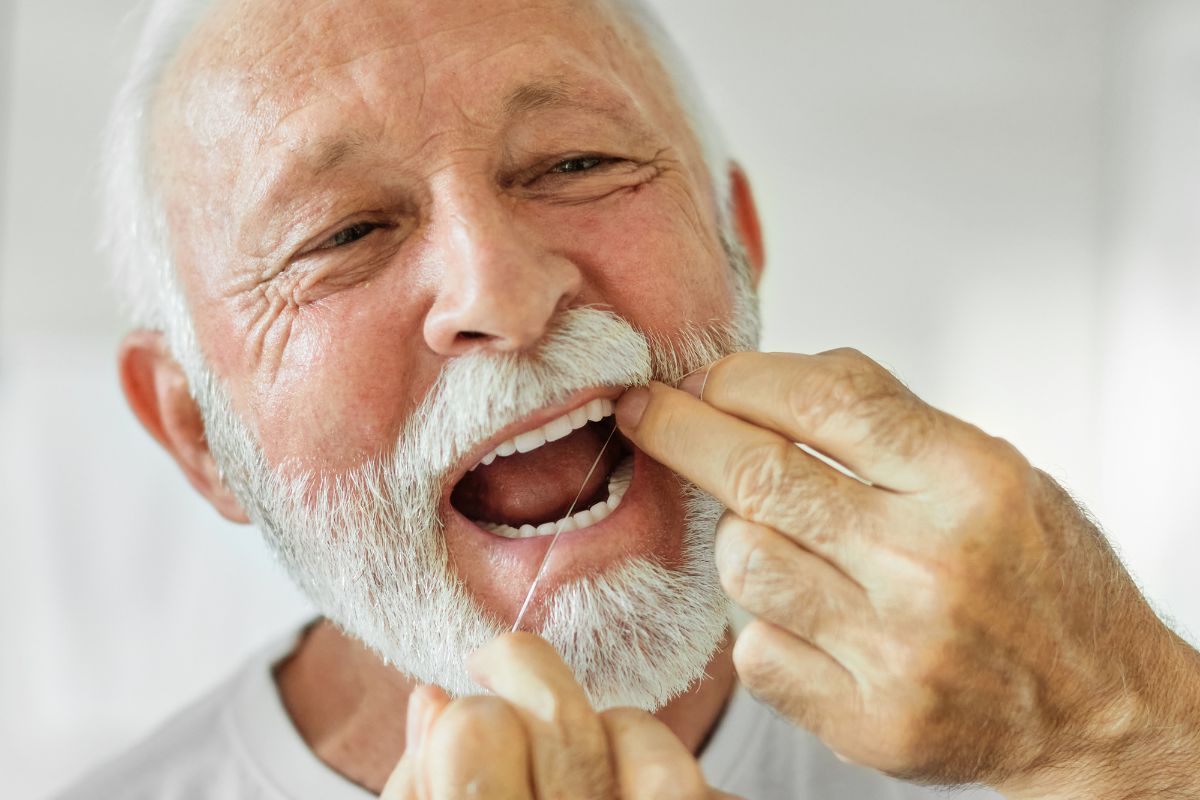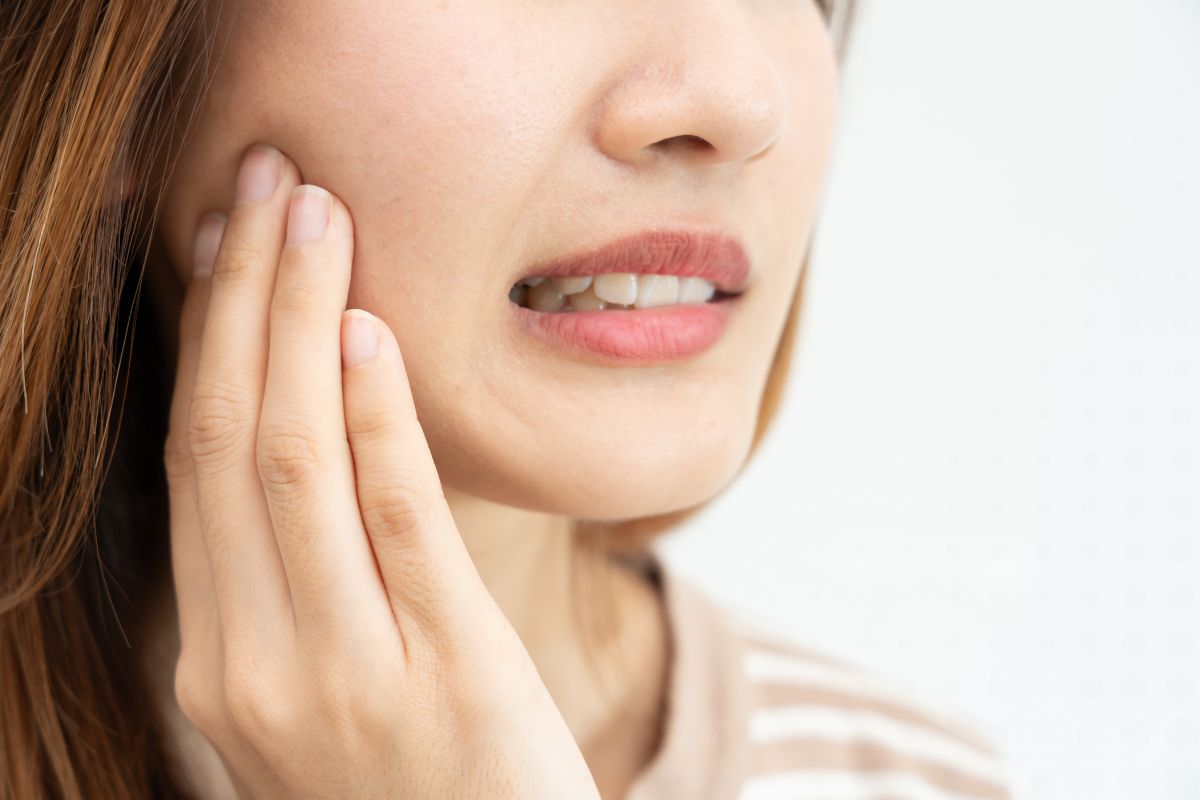
Tooth sensitivity is a common issue, but it can also be frustrating and uncomfortable. Whether it’s triggered by hot, cold, or sweet foods, the sudden, sharp pain that accompanies tooth sensitivity can interfere with your daily life. At Apple Grove Dental, we often help patients understand and manage this condition with personalized care.
In Colorado Springs, where the weather can vary from sunny and hot in the summer to cold and snowy in the winter, sensitive teeth may become more pronounced due to frequent temperature changes. Understanding the root cause and how to address it can help you manage this discomfort and maintain optimal oral health.
What Causes Tooth Sensitivity?
Tooth discomfort occurs when the underlying layers of your teeth, known as dentin, become exposed. Usually, the hard outer layer of enamel protects your dentin. However, when enamel wears away, it exposes the dentin, which contains tiny tubules that lead to nerves. This can result in a sharp, uncomfortable sensation when exposed to certain stimuli.
The most common causes of tooth sensitivity include:
- Enamel Erosion: The outer layer of enamel can wear down over time due to excessive consumption of acidic foods and drinks. In Colorado Springs, where the local cuisine often includes tangy dishes, this can be a contributing factor.
- Gum Recession: As we age, gums can naturally recede, exposing the roots of teeth. Root surfaces aren’t as protected as enamel, making them more susceptible to irritation and sensitivity.
- Teeth Grinding: People who clench or grind their teeth, often at night, can experience enamel damage. The pressure from grinding wears down the enamel, leading to increased sensitivity.
- Tooth Decay Or Cracks: Cavities or fractures can expose the dentin, resulting in sensitivity. This can result from untreated tooth decay or trauma.
- Recent Dental Procedures: If you’ve had a filling, crown, or teeth cleaning recently, you may experience temporary discomfort. This is usually short-lived but may be more noticeable in people with sensitive teeth.
Does Tooth Sensitivity Get Worse With Age?
Yes, dentinal hypersensitivity can become more noticeable with age. As we get older, enamel naturally wears down, and gums may recede, exposing the tooth’s sensitive parts. Additionally, older adults may be more prone to tooth decay, which can worsen the condition. Early intervention with a trusted dentist can help reduce the impact and manage symptoms.
What Are the Top Treatments to Treat Sensitive Teeth?
To effectively manage and treat sensitive teeth, there are a variety of approaches depending on the cause:
- Desensitizing Toothpaste: This special toothpaste contains compounds that block the nerve pathways in your teeth, reducing sensitivity over time. It’s often the first line of defense for mild sensitivity.
- Fluoride Gel: Applied by a local dentist, fluoride gel can strengthen weakened enamel and reduce tooth sensitivity.
- Dental Sealants: For those with more severe conditions, a professional may recommend applying protective sealants to the tooth surfaces. This shields the tooth from further damage and exposure.
- Crown or Filling: If the discomfort is caused by a cavity or cracked tooth, a filling or dental crown may be required to restore the tooth’s integrity.
The Impact Of Weather On Tooth Sensitivity In Colorado Springs
Locals of this area experience a wide range of temperatures throughout the year.
Whether it’s the crisp winter air or a sunny summer day, your teeth may be susceptible to tooth tenderness due to rapid temperature changes. Hot drinks like coffee in the morning or cold ice cream during a summer outing can aggravate your sensitive teeth.
During the cooler months, Colorado Springs families are likely to experience dental discomfort. This happens due to the combination of dry indoor air and colder outdoor temperatures. It’s important to keep this in mind when selecting the foods and beverages you consume. Further, you must also ensure that you keep your teeth well-maintained during temperature fluctuations.
How To Manage Tooth Sensitivity During Seasonal Changes?
In cities, seasonal shifts from cold winters to warm summers can trigger or worsen tooth sensitivity. Here’s how to manage it:
Winter: Combat Dry Air And Cold Temperatures
During the winter, cold air and indoor heating can dry out your mouth, increasing sensitivity. Stay hydrated, use a humidifier, and avoid very cold foods or drinks to protect your teeth.
Spring And Summer: Be Cautious With Temperature Changes
In warmer months, enjoy outdoor activities, but avoid sudden shifts between hot and cold foods or drinks. Limit ice-cold beverages, and protect your lips from the sun, as chapped lips can aggravate discomfort around sensitive teeth.
Can Tooth Sensitivity Be a Sign of Underlying Health Issues?
Sometimes, dentin hypersensitivity can signal an underlying health problem, such as tooth decay or gum disease. This tenderness can also be related to bruxism (teeth grinding), which often occurs unconsciously during sleep. For those in Colorado Springs or the nearby areas, where stress from local activities or busy schedules may lead to unconscious grinding, seeking a professional evaluation is essential to prevent further dental health issues.
How To Prevent Further Damage?
If left untreated, a sensitive tooth can become more than just an uncomfortable inconvenience. Ongoing exposure to hot or cold foods can further wear down the enamel. This eventually leads to more serious oral issues, such as cavities or even tooth loss. However, to stop witnessing these, you must:
- Good Oral Hygiene: Brush your teeth gently with a soft-bristle toothbrush and avoid using too much force while brushing.
- Avoid Acidic Foods And Beverages: Citrus, soda, and other acidic foods can erode enamel, making teeth more sensitive. It’s best to limit consumption of these items.
- Use a Mouthguard: If you grind your teeth at night, wearing a mouthguard can prevent enamel erosion and reduce tooth sensitivity.
What Role Does Diet Play In Sharp Tooth Discomfort?
Diet plays a significant role in both the development and prevention of tooth tenderness. Here’s how:
- Acidic Foods and Drinks: Citrus fruits, soda, wine, and vinegar can erode tooth enamel over time, increasing discomfort.
- Sugary Foods: Excess sugar can contribute to tooth decay, exposing the underlying areas and making them more prone to pain.
- High-Protein, Low-Carb Diet: This diet helps reduce plaque buildup, promoting oral health and lowering the risk of tooth tenderness.
- Calcium-Rich Foods: Dairy products like milk, cheese, and yogurt help strengthen enamel, reducing the likelihood of tooth pain.
- Drinking Water: Water helps neutralize acids, flush away food particles, and keeps your teeth hydrated, preventing further discomfort.
Reclaim Your Comfort & Confidence With Our Professional Care
Tooth sensitivity doesn’t have to hold you back from enjoying life’s simple pleasures. With the right treatment, discomfort can be alleviated, allowing you to smile with confidence. Whether you’re dealing with mild sensitivity or more persistent issues, our team at Apple Grove Dental is here to provide personalized care. As a trusted dental practice in Colorado Springs, we specialize in addressing the root causes of sensitivity and providing lasting relief. Book an appointment with us today for a pain-free, confident smile. Let’s work together to restore your oral comfort.
Frequently Asked Questions (FAQs)
1. What can I do to stop tooth sensitivity from getting worse?
To prevent worsening tooth sensitivity, avoid acidic foods and practice gentle brushing with a soft-bristle toothbrush. Regular oral checkups can help identify the underlying cause and prevent further damage.
2. Can tooth sensitivity be a sign of a cavity?
Yes, tooth sensitivity can indicate a cavity or decay beneath the enamel. If sensitivity persists, visiting our oral care provider for an evaluation is important to prevent further dental issues.
3. Is it safe to use desensitizing toothpaste every day?
Yes, desensitizing toothpaste can be used daily, as it helps block the nerve pain caused by sensitivity. However, it’s important to consult with our dentist if sensitivity persists despite regular use.
4. How long does it take for tooth sensitivity to go away?
Tooth sensitivity can take anywhere from a few days to several weeks to improve, depending on its cause. Following the recommended treatment plan can help speed up recovery and alleviate pain.
5. Can sensitivity affect my overall oral health?
While tooth sensitivity by itself doesn’t directly affect overall oral health, it may indicate underlying issues such as gum disease or enamel erosion. Addressing the issue early can prevent more serious oral problems.