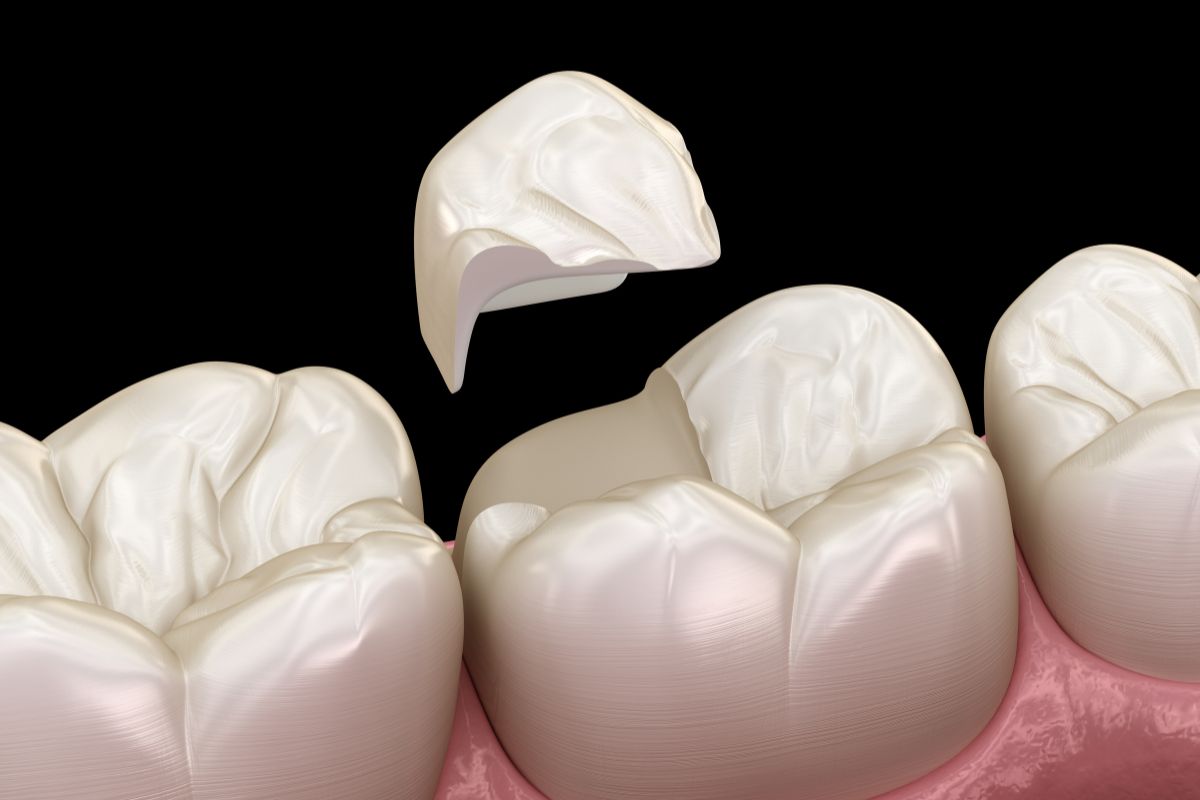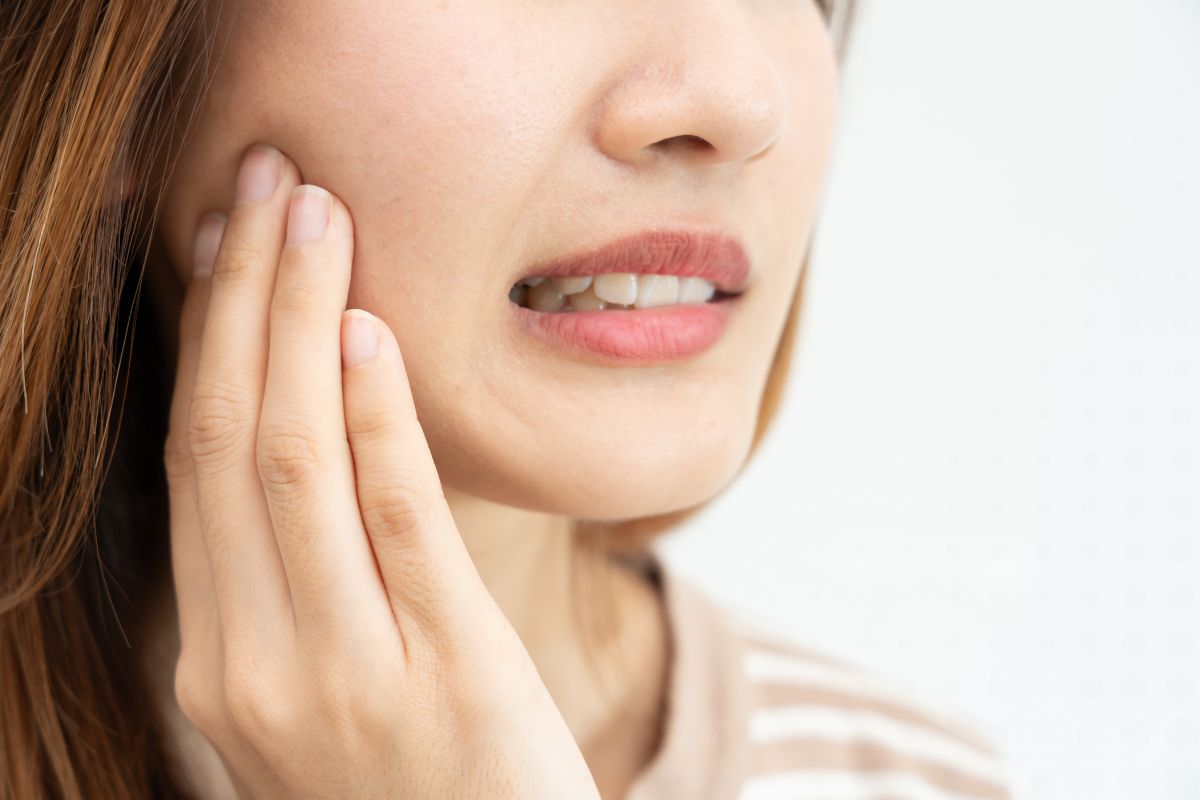
Did you know that nearly 90% of adults aged 20–64 have experienced tooth decay, and most will face some type of oral health issue during their lifetime? Whether it’s that annoying toothache or the struggle of dealing with a sensitive smile, these everyday tooth concerns can become major hurdles. However, many of these conditions can be avoided with the right knowledge and a few simple habits. In this blog, we’ll walk you through the most common issues that affect your oral health, how to spot them early, and what you can do to keep your smile looking its best.
If you have ever winced at the cloudy, cold, and wet weather of Colorado Springs, spotted something strange along your gum line, or woken up with jaw soreness, keep reading. What you learn here might completely change the way you think about your dental health.
Are You Brushing The Right Way, Or Just Going Through The Motions?
Most adults in Colorado Springs grew up learning to brush in quick back-and-forth strokes. It feels thorough. It feels efficient. But that technique is one of the leading reasons why so many people develop cavities despite brushing twice daily. Common dental problems like tooth decay and enamel erosion often begin not because people skip brushing, but because they brush incorrectly for years without realizing it.
Here’s what proper brushing looks like:
- Hold your brush at a 45 degree angle toward the gum line and use short, gentle circular strokes.
- Give each tooth individual attention, especially the back molars, where food debris loves to hide.
- Brush for a full two minutes, not the 30 seconds most people spend.
- Replace your toothbrush every three months or sooner if the bristles look frayed.
One more thing worth knowing. Colorado Springs has dry air, which means locals here are already prone to dry mouth. A dry mouth promotes bacterial growth, making brushing technique even more crucial here than in lower-altitude cities.
Also, watch out for this common mistake. Brushing immediately after acidic foods or drinks works against you. Acid temporarily softens enamel, and brushing within 30 minutes scrubs away that softened layer. Wait at least half an hour after coffee, citrus, or soda before reaching for your brush.
Why Do Gums Bleed, And Should You Ever Ignore Them?
Bleeding gums while brushing or flossing is something many people quietly accept as normal. It is not. An experienced dentist will explain that bleeding gums are almost always a sign of inflammation, a condition known as gingivitis. Left unaddressed, gingivitis advances into periodontitis, a serious infection that destroys the bone and tissue holding your teeth in place. Here is what contributes to it in this area:
- High altitude dryness that reduces saliva and increases bacterial activity in the mouth.
- Sugary sports drinks are popular among the city’s active outdoor crowd, which feeds harmful bacteria.
- Skipping flossing, which leaves plaque sitting undisturbed between teeth, every single day.
The fix is simpler than most people expect:
- Floss once a day to remove the bacterial film hiding where your toothbrush cannot reach.
- If traditional floss feels awkward, try interdental brushes or a water flosser. Both work just as well and are much easier to use consistently.
- Rinse with an antibacterial mouthwash after flossing to remove any residue.
The goal is to disrupt plaque before it hardens into tartar. This is because tartar can only be removed professionally, and it is where the real trouble begins.
What Is Teeth Grinding Doing To Your Smile While You Sleep?
Colorado Springs is a city that moves fast. Between the demanding outdoor lifestyle, long workdays, and altitude changes that affect sleep quality, stress levels here run high. That stress can have a surprising impact on your teeth. Teeth grinding, clinically called bruxism, affects a significant portion of adults, and most do not even know they have it.
Sleep bruxism affects around 8 to 10% of adults, while awake bruxism affects over 22% of adults. Here are the signs you might be grinding your teeth without realizing it:
- Waking up with jaw soreness, facial pain, or a dull headache most mornings.
- Teeth that look shorter, flatter, or more worn down than they used to.
- Increased sensitivity to hot and cold, which seems to get worse over time.
- A partner or family member telling you they hear grinding sounds while you sleep.
Here’s how to protect yourself:
- Ask your oral health provider about a custom night guard. It acts as a buffer between your teeth, preventing enamel from wearing down while you sleep.
- Reduce stress through consistent habits. Yoga is one of the most effective ways to lower the daily tension that drives grinding.
- Cut back on caffeine, especially in the afternoon and evening. Heavy coffee consumption is associated with a higher likelihood of bruxism.
Is That Tooth Sensitivity Warning You About Something Serious?
That sharp jolt of pain when you take a sip of iced tea on a warm afternoon is not just an inconvenience. Tooth sensitivity is your body signaling that something has changed beneath the surface. It can point to enamel erosion, receding gums, a cracked tooth, or an early cavity that has not yet caused any visible changes.
Common triggers for sensitivity include:
- Acidic foods and drinks that wear down enamel gradually over time.
- Brushing too hard, which pushes gums back and exposes the more sensitive root surface.
- Teeth grinding, which flattens and thins enamel faster than most people expect.
- Certain neighborhoods closer to the Pikes Peak foothills have water with slightly higher mineral concentrations, which can affect enamel over time for those already dealing with thinning or recession.
What you can do about it:
- Switch to a toothpaste formulated for sensitivity and use a soft-bristle brush.
- Avoid extremely hot or cold foods and drinks back-to-back, as the rapid temperature shift can aggravate exposed surfaces.
- If tenderness has lasted more than two to three weeks, don’t wait it out. That window is when small structural issues are still easy and affordable to treat.
How Much Is Your Diet Secretly Working Against Your Teeth?
The city has a vibrant food scene, with craft breweries and flavorful dishes influenced by green chile traditions. However, some of the most popular foods can also harm tooth enamel.
Watch out for these local favorites that can quietly cause harm:
- Craft beer is highly acidic and can erode enamel with regular consumption.
- Coffee, a daily staple for trail runners and remote workers alike, is both acidic and a consistent enamel stainer over time.
- Spicy sauces and green chiles can irritate already inflamed gum tissue, especially after eating something hot or abrasive.
- Energy drinks and flavored sparkling waters, both hugely popular in active communities like Colorado Springs, are far more acidic than most people realize.
None of these need to be cut out entirely. Small adjustments can make a real difference:
- Pair acidic foods with plain water to neutralize the acid faster.
- Use a straw for cold acidic beverages to limit direct contact with enamel.
- Rinse your mouth with water after meals rather than brushing immediately.
- Add enamel-supporting foods to your daily diet, including leafy greens, dairy products rich in calcium, crunchy vegetables that stimulate saliva, and nuts.
Your Smile Deserves More Than a Once-in-a-While Appointment
Maintaining excellent oral health is essential to your overall well-being. It is a daily practice shaped by your habits, your environment, and the quality of care you invest in. Colorado Springs is a city built on resilience and an active lifestyle, and your teeth need to keep up with every summit, every shared meal, and every adventure the city offers.
At Apple Grove Dental, we’re dedicated to helping you create a care routine that fits seamlessly into your everyday life. Whether it’s managing sensitivity, fitting a night guard, or simply understanding what your teeth are trying to tell you, we’re here to support you every step of the way. Don’t wait until you are sitting in a chair with a severe issue. Book your appointment with us and let our dentists help you protect your smile for a lifetime.