If you are wondering, “Are dental implants painful?”, you are not alone. Many patients who visit Apple Grove Dental in Colorado Springs ask this question because they want honest answers before moving forward. At our Colorado Springs office, Dr. Toan Chung, DDS—who earned his Doctorate in Dental Surgery from New York University College of Dentistry and has been voted a Colorado Springs Top Dentist every year since 2018—focuses on comfort, clarity, and personalized care so you feel confident from day one.
Fear often comes from the unknown. Understanding what happens before, during, and after treatment can help reduce anxiety and help you make confident decisions.
Understanding Dental Implants in Simple Terms
Before discussing whether dental implant pain experiences are common, let’s first explain what implants are.
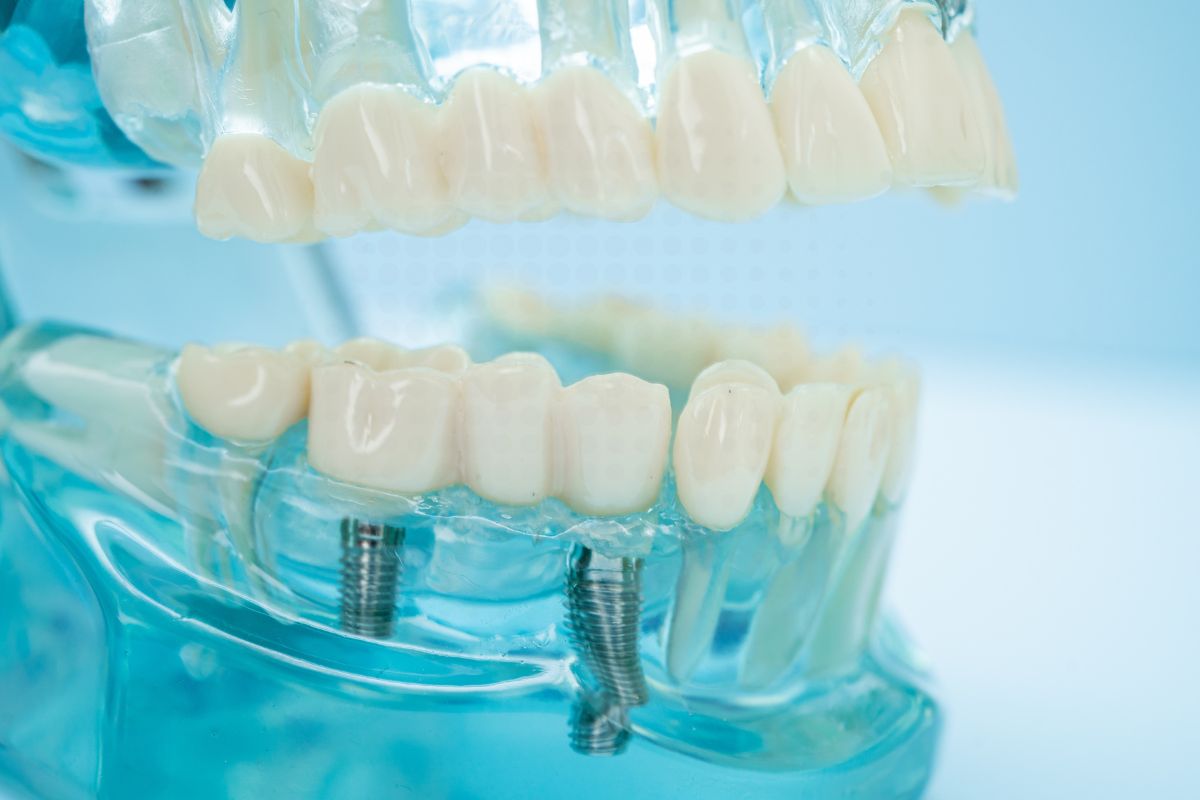
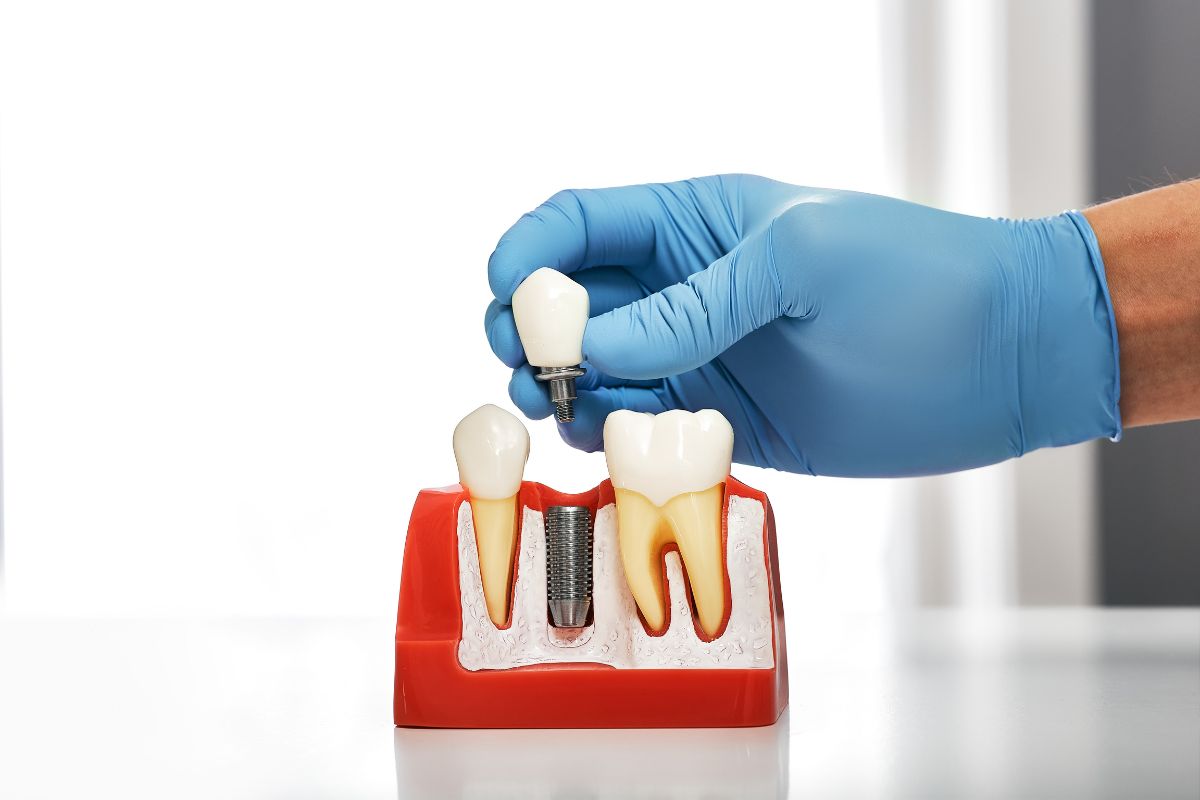
A dental implant is a small titanium post that your dentist places into the jawbone to replace a missing tooth root. After healing, a custom crown is attached to the post. The final result looks natural and functions like a real tooth.
Why Patients Choose Implants
- Strong and stable tooth replacement
- Natural look and feel
- Long-term durability
- Better chewing ability
- Support for jawbone health
Because implants integrate directly with the bone, they provide a stability that other tooth replacement options may not offer.
Is Dental Implants Painful During the Procedure?
This is the most common concern patients express. The simple answer is that most people report minimal discomfort during the procedure.
Here’s What Actually Happens
- Your dentist numbs the area completely with local anesthesia.
- You may feel pressure, but not sharp pain.
- Sedation options are available if you feel anxious.
Many patients compare the experience to a routine tooth extraction. In fact, some say it felt easier than expected.
If you are looking for an implant dentist in Colorado Springs, choosing our team at Apple Grove Dental means you’ll receive personalized care every step of the way. We carefully review your health history, explain the procedure clearly, and make sure you feel comfortable and confident before, during, and after treatment. This attention to detail often makes the whole experience much easier and less stressful.
What to Expect Before Treatment
Preparation plays a key role in reducing stress. When you know what is coming, you feel more in control.
Comprehensive Evaluation
Your appointment may include:
- Digital X-rays or 3D imaging
- Examination of your gums
- Review of your medical background
This evaluation ensures that your jawbone can support the implant securely.
Personalized Treatment Plan
Next, your dentist will outline:
- Number of implants needed
- Estimated healing timeline
- Expected results
Clear communication helps eliminate fear. Instead of worrying about whether dental implants painful recovery will be overwhelming, you understand the process step by step.
What Happens Immediately After the Procedure?
Once the numbness fades, you may feel mild soreness. However, most discomfort remains manageable.
Common Short-Term Symptoms
- Mild swelling
- Tenderness near the implant site
- Minor bruising
- Light bleeding within the first day
Over-the-counter pain relievers often control discomfort effectively. Most patients return to normal daily activities within 24 to 48 hours.
Although online stories sometimes exaggerate the experience, real patients usually describe recovery as easier than they expected.
Healing Phase: What Is Normal?
Healing happens in stages. The most important stage is when the implant bonds with your jawbone. This process creates a strong foundation for your new tooth.
Healing typically takes:
- Three to six months
- Slightly longer if bone grafting was required
During this time, you will attend follow-up visits so your dentist can monitor progress and ensure everything heals properly.
How to Make Recovery Easier
You play an important role in your healing process. Simple habits can speed recovery and reduce discomfort.
Smart Recovery Tips
- Apply an ice pack for the first 24 hours
- Eat soft foods like yogurt, soup, and mashed potatoes
- Avoid smoking
- Keep the area clean with gentle brushing
- Follow your dentist’s instructions carefully
When patients follow these steps, they often report very manageable symptoms.
When Should You Be Concerned?
Serious complications are rare. However, you should contact your dentist if you experience:
- Severe pain that increases instead of improves
- Heavy bleeding
- Fever or signs of infection
- Implant movement
Prompt attention ensures small concerns stay small.
Why Experience and Technique Matter
Comfort depends heavily on the skill of your provider. Careful planning, precise placement, and patient education all reduce discomfort and improve healing outcomes.
Dr. Chung’s patient-first philosophy focuses on:
- Gentle techniques
- Clear communication
- Individualized care
- Long-term success
Because of this approach, many patients who once feared that dental implants painful procedures would be overwhelming later say they wish they had done it sooner.
Long-Term Benefits vs. Short-Term Discomfort
It is helpful to think about the bigger picture. Any minor soreness typically lasts a few days. However, the benefits can last decades.
With proper care, implants can:
- Restore full chewing power
- Improve speech clarity
- Prevent bone loss
- Boost confidence
When you compare temporary discomfort to long-term stability, many people feel the decision becomes much easier.
Are Dental Implants Really That Painful?
So, are dental implants painful? For most patients, the answer is no—at least not in the way they imagined. Modern techniques, effective anesthesia, and proper aftercare make the process far more comfortable than many expect.
If you are ready to restore your smile and want trusted, personalized care, we invite you to visit our dental office at Apple Grove Dental in Colorado Springs and schedule your appointment for implant treatment today.