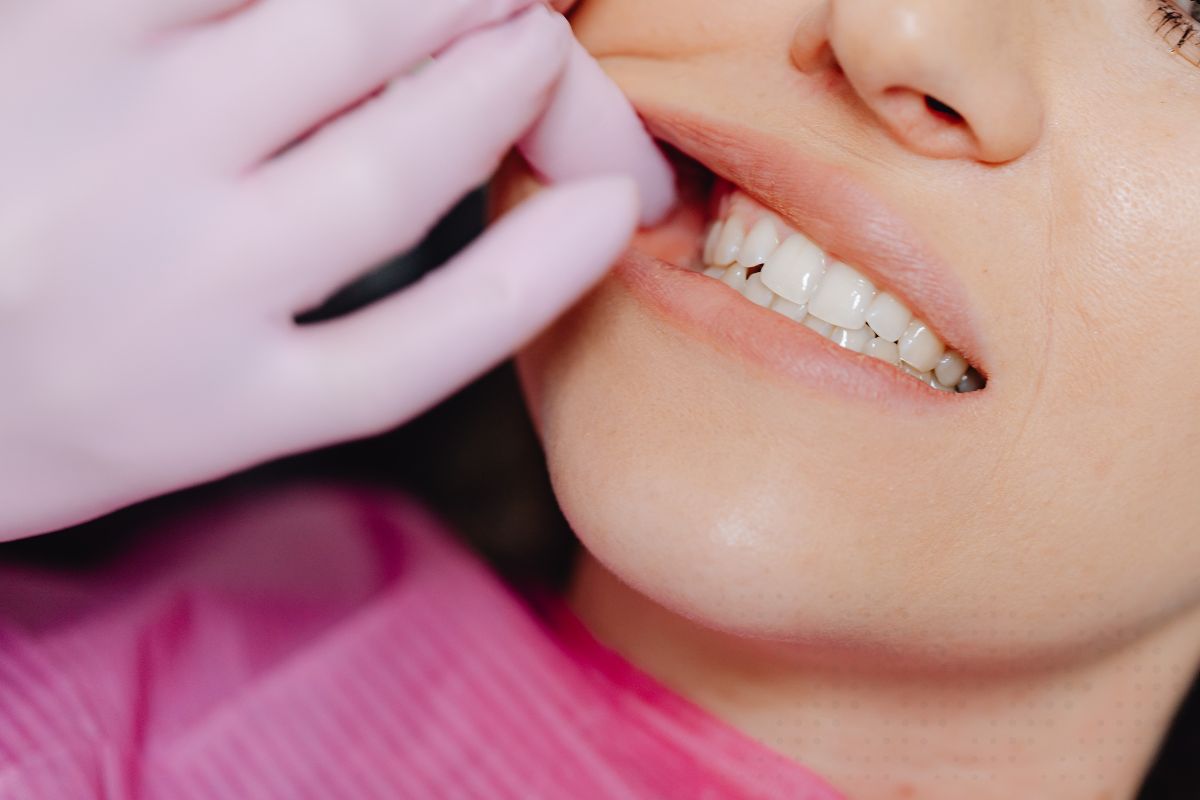
As people age, dental care after 60 becomes more important than ever. Small oral health changes can affect eating, speaking, confidence, and overall wellness. Many older adults in Colorado Springs notice dry mouth, gum sensitivity, or worn teeth over time. At Apple Grove Dental, patients often ask how they can protect their smiles and stay comfortable for years to come.
Why Oral Health Changes After 60
The body changes naturally with age, and the mouth changes too. Teeth experience years of wear, gums may recede, and certain medications can affect saliva production. Even healthy adults who brushed regularly for decades may notice new concerns after turning 60.
In Colorado Springs, the dry climate and seasonal weather shifts can also contribute to mouth dryness, especially during colder months near areas like Briargate and Garden of the Gods. Because of this, many seniors need to adjust their daily habits to maintain strong teeth and healthy gums.
Some common oral health changes include:
- Increased tooth sensitivity
- Dry mouth
- Gum recession
- Higher risk of cavities
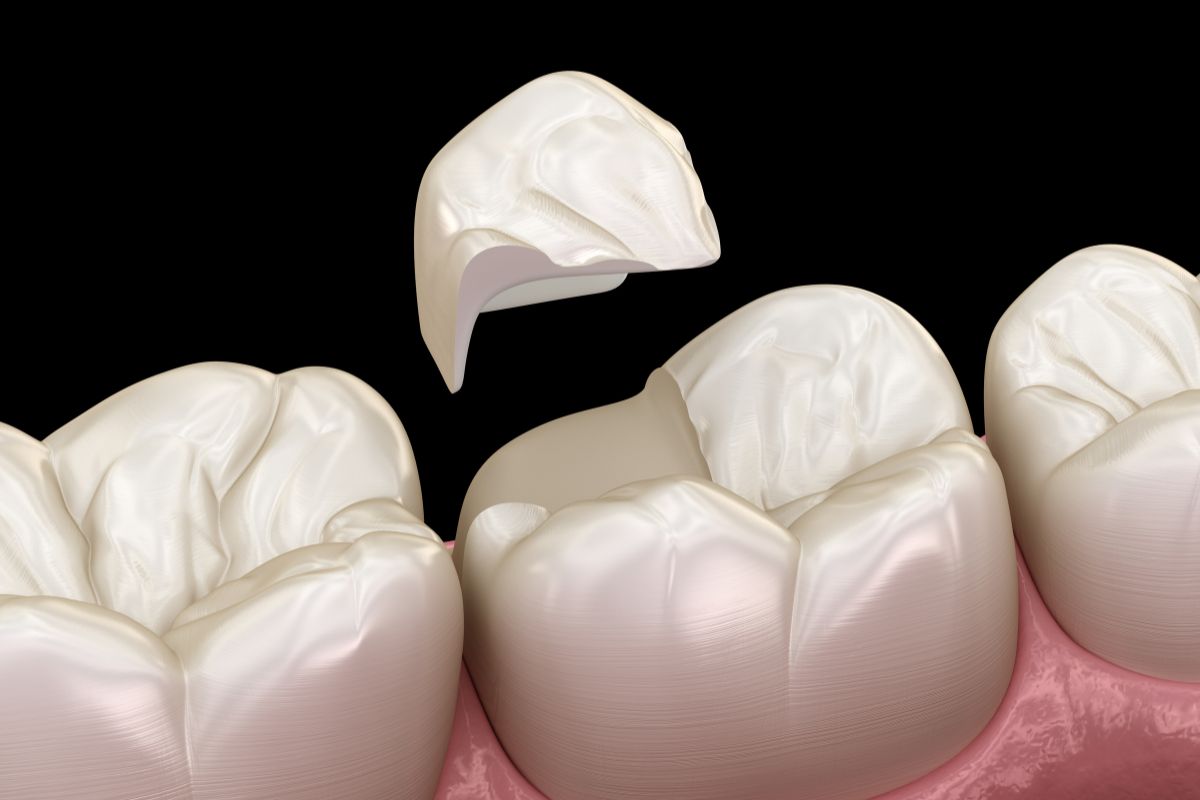
- Worn or cracked teeth
- Tooth discoloration
- Difficulty cleaning around dental work
Fortunately, early attention can help prevent bigger problems later.
Common Dental Problems Seniors Face
Dry Mouth Can Lead to Bigger Issues
Dry mouth affects many adults over 60. Medications for blood pressure, allergies, diabetes, and heart conditions often reduce saliva flow. Since saliva helps wash away bacteria, a dry mouth can increase plaque buildup and tooth decay.
Signs of dry mouth include:
- Sticky feeling inside the mouth
- Trouble swallowing
- Frequent bad breath
- Burning sensation on the tongue
- Cracked lips
Many patients looking for dental care after 60 benefit from simple hydration habits, sugar-free gum, and regular professional cleanings.
After discussing these concerns, many local families in Colorado Springs seek guidance from a trusted dentist because preventive visits often help identify these problems before they become severe. At Apple Grove Dental, Dr. Toan Chung works closely with older adults to create personalized treatment plans that support comfort, function, and long-term oral health.
Gum Disease Becoming More Common
Gum disease remains one of the leading causes of tooth loss in older adults. Early gum inflammation may not cause pain, which makes regular checkups extremely important.
Watch for these symptoms:
- Red or swollen gums
- Bleeding while brushing
- Persistent bad breath
- Loose teeth
- Gum recession
If gum disease progresses, it can affect bone support around the teeth. In some cases, untreated infection may even impact overall health.
How to Protect Your Teeth After 60
Brush Gently but Thoroughly
Many seniors brush harder because they think stronger brushing cleans better. However, aggressive brushing can wear enamel and irritate gums.
Instead:
- Use a soft-bristled toothbrush
- Brush for two full minutes
- Clean along the gumline carefully
- Replace your toothbrush every three months
Electric toothbrushes may also help improve cleaning for adults with arthritis or reduced hand strength.
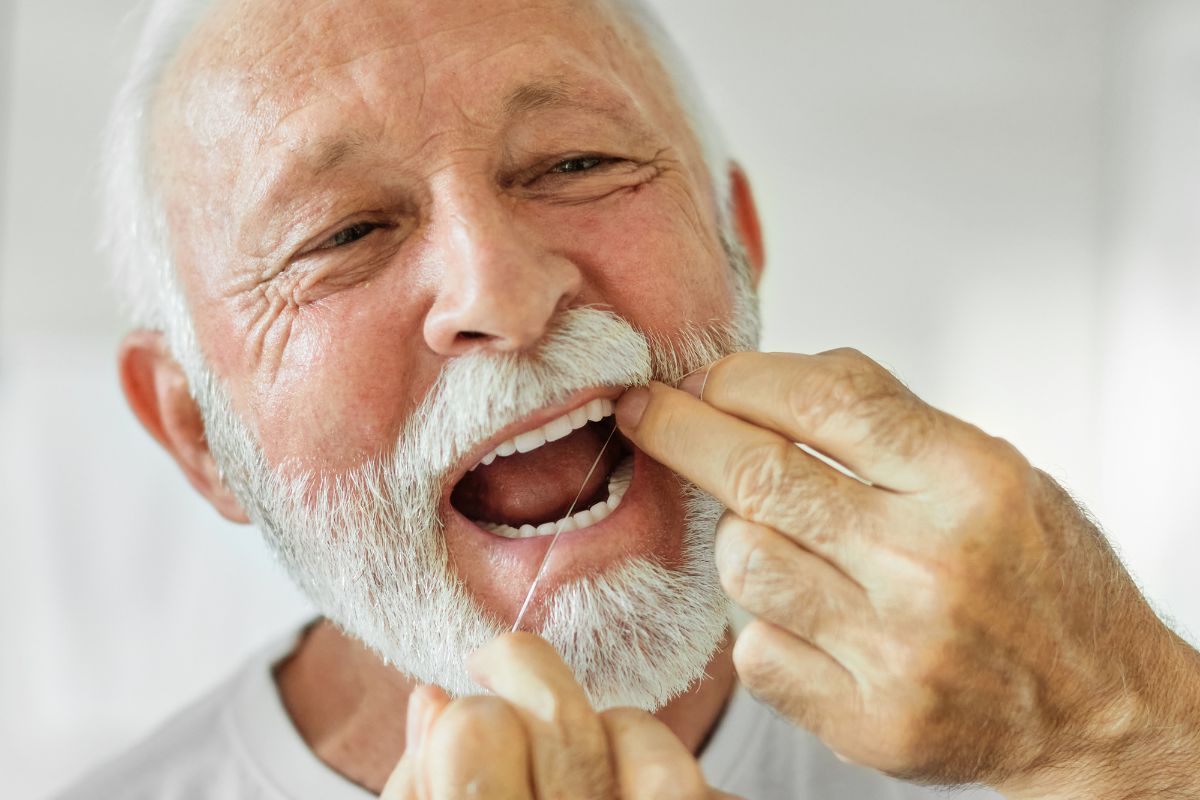
Floss Every Day
Flossing removes bacteria from places a toothbrush cannot reach. This step becomes even more important for people with crowns, bridges, or implants.
Water flossers can make the process easier and more comfortable for seniors with sensitive gums.
Stay Hydrated Throughout the Day
Because saliva protects teeth naturally, hydration plays a major role in oral health. Drinking enough water helps rinse bacteria and food particles away.
To support better hydration:
- Carry a reusable water bottle
- Limit sugary drinks
- Reduce alcohol intake
- Avoid smoking or tobacco products
These small habits can make a noticeable difference over time.
Nutrition Matters More Than Ever
Foods That Support Healthy Teeth
A balanced diet helps maintain both oral and overall health. Calcium, vitamin D, and phosphorus strengthen teeth and bones.
Good options include:
- Yogurt and cheese
- Leafy greens
- Almonds
- Salmon
- Eggs
- Apples and carrots
Crunchy vegetables also stimulate saliva production naturally.
Limit Sugary Snacks
Frequent sugar exposure increases cavity risk, especially when dry mouth is already present. Sticky candies and sugary drinks tend to stay on teeth longer, feeding harmful bacteria.
Instead of sweet snacks, choose healthier alternatives like nuts, cheese, or fresh fruit.
Dentures, Implants, and Restorative Options
Dentures Need Regular Maintenance
Some people assume dentures eliminate the need for dental visits. However, dentures require adjustments and cleaning to prevent irritation or infection.
Poorly fitted dentures may cause:
- Sore spots
- Difficulty chewing
- Speech problems
- Jaw discomfort
Routine exams help ensure dentures continue fitting properly.
Dental Implants Offer Long-Term Support
Dental implants remain a popular option for older adults who want a stable and natural-looking solution for missing teeth. Implants can improve chewing ability and help preserve jawbone strength.
Many seniors exploring dental care after 60 choose implants because they provide comfort and long-term function when maintained properly.
Why Regular Dental Visits Still Matter
Preventive Care Saves Time and Money
Regular exams allow dentists to identify small problems early. A minor cavity or gum issue often becomes easier and less expensive to treat when detected quickly.
Professional cleanings also remove hardened plaque that brushing cannot eliminate at home.
Oral Exams Support Overall Health
The mouth can reveal signs of broader health concerns. Dentists sometimes notice symptoms connected to diabetes, vitamin deficiencies, or oral cancer during routine exams.
For this reason, consistent preventive visits remain essential even for adults with dentures or few natural teeth.
Daily Habits That Make a Big Difference
Healthy routines do not need to feel complicated. Small consistent actions often provide the best results.
Here are practical habits seniors can follow every day:
Morning Routine
- Brush gently after breakfast
- Drink water regularly
- Use fluoride toothpaste
Throughout the Day
- Avoid frequent sugary snacks
- Rinse after acidic foods or coffee
- Stay hydrated in Colorado’s dry climate
Evening Routine
- Floss carefully before bed
- Remove and clean dentures properly
- Avoid sleeping with dentures unless advised otherwise
Consistency matters more than perfection.
Emotional Confidence and Quality of Life
A healthy smile affects more than appearance. Strong oral health supports confidence, communication, and comfort during everyday activities.
Many older adults feel more socially active when they can smile comfortably and eat without pain. Staying proactive with oral health can also reduce stress and improve overall quality of life.
That is why preventive care remains such an important part of healthy aging.
Aging brings natural oral health changes, but the right habits can help you stay ahead of them. From preventing dry mouth and gum disease to protecting restorations and supporting daily comfort, proactive steps make a lasting difference. If you want personalized guidance for dental care after 60, the team at Apple Grove Dental is here to help. To learn more about senior-focused dental solutions and maintain a healthy smile for years to come, visit our dental office in Colorado Springs and schedule an appointment with Dr. Toan Chung today.