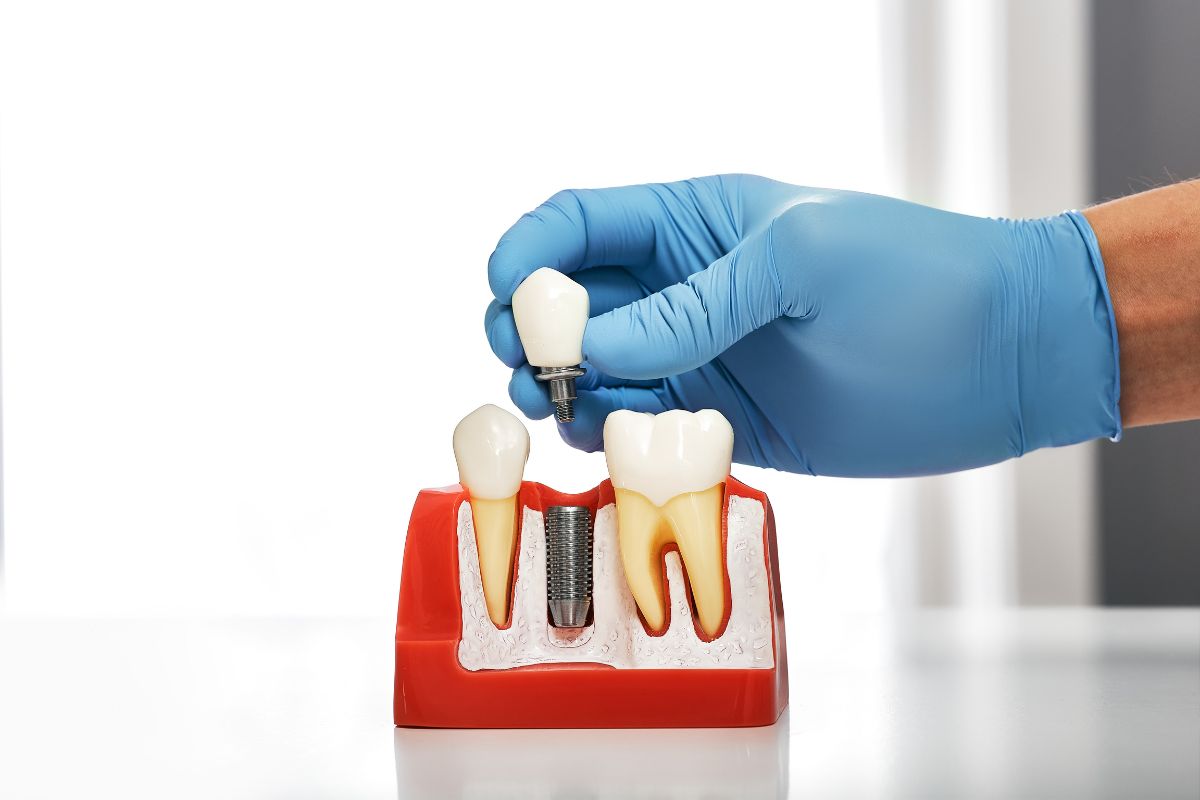
Dental implants are one of the most reliable and natural-looking options for replacing missing teeth. They’re designed to function like real teeth, offering long-term support, comfort, and durability. But what happens when your new implant starts to feel sensitive? It’s not an experience most people expect after such a major restoration. While a certain level of discomfort may be normal during healing, persistent sensitivity could indicate a deeper issue. Understanding what’s normal and what’s not can help you take the right steps to protect your oral health.
What’s Normal After Getting a Dental Implant?
After receiving a dental implant, some mild soreness or tenderness is expected. This usually occurs in the first few days following surgery. The healing process involves the integration of the implant with the jawbone—a phase known as osseointegration. During this time, it’s common to feel:
- Minor swelling near the implant site
- Temporary sensitivity when chewing or brushing
- Mild discomfort that responds well to over-the-counter pain relief
This type of sensitivity typically subsides within one to two weeks. If the implant area continues to feel sensitive beyond that point, it could point to something that needs further evaluation.
When Sensitivity Becomes a Concern
Sensitivity that lingers or worsens over time may be a sign of an underlying issue. Here are some potential causes to be aware of:
1. Gum Irritation or Recession
If the tissue around the implant becomes inflamed or starts to recede, it can expose the implant base or even the titanium post, causing sensitivity. Poor brushing techniques or overly aggressive flossing could contribute to gum irritation.
2. Improper Bite Alignment
Sometimes, the crown placed on top of the implant isn’t perfectly aligned with your bite. An uneven bite can place excess pressure on the implant, leading to soreness and sensitivity when chewing.
3. Infection Around the Implant (Peri-implantitis)
This is one of the more serious causes of implant sensitivity. Peri-implantitis is an infection that affects the gum and bone around the implant. Signs include:
- Red or swollen gums
- Bleeding when brushing
- Pus or discharge from the implant site
- Persistent discomfort or sensitivity
If left untreated, peri-implantitis can compromise the stability of the implant and even lead to implant failure.
4. Sinus Issues (Upper Implants)
For implants placed in the upper jaw near the sinus cavity, post-operative sinus complications may cause pressure or sensitivity. This is usually addressed during implant planning, but it can still occur in rare cases.
What to Do If Your Implant Feels Sensitive
If you notice lingering discomfort around your implant, here’s what you can do:
- Monitor the area: Pay attention to changes in swelling, bleeding, or discomfort.
- Practice gentle oral care: Use a soft-bristled toothbrush and avoid harsh scrubbing.
- Avoid hard foods: Give your implant time to rest if it feels tender during chewing.
- Contact your dentist: Don’t delay a professional evaluation if symptoms persist.
At Apple Grove Dental in Colorado Springs, CO, your provider will likely perform an X-ray and physical examination to determine the cause and provide appropriate care.
Preventing Future Sensitivity
Most cases of dental implant sensitivity can be prevented with good oral hygiene and regular checkups. Here are a few helpful tips:
- Brush and floss daily, but gently around the implant
- Attend regular cleanings and implant check-ins
- Avoid smoking, which can interfere with healing
- Report unusual pain or changes to your dentist promptly
Remember, dental implants are an investment in your health. Keeping the surrounding tissue and bone healthy ensures your implant stays strong and functional for years to come.
Conclusion
While dental implants are built to be a durable, long-term solution, sensitivity after placement isn’t something to ignore. It may be a minor part of the healing process—or it could be a sign of something more serious. Knowing the difference is key. Whether it’s gum irritation, bite alignment, or a potential infection, early detection and professional care can help protect your implant and your overall oral health.
Noticing discomfort around a recent implant? Schedule a check-up with Apple Grove Dental in Colorado Springs, CO. A qualified dentist in Colorado Springs, CO can assess your symptoms and guide you toward a solution that keeps your smile strong and healthy.