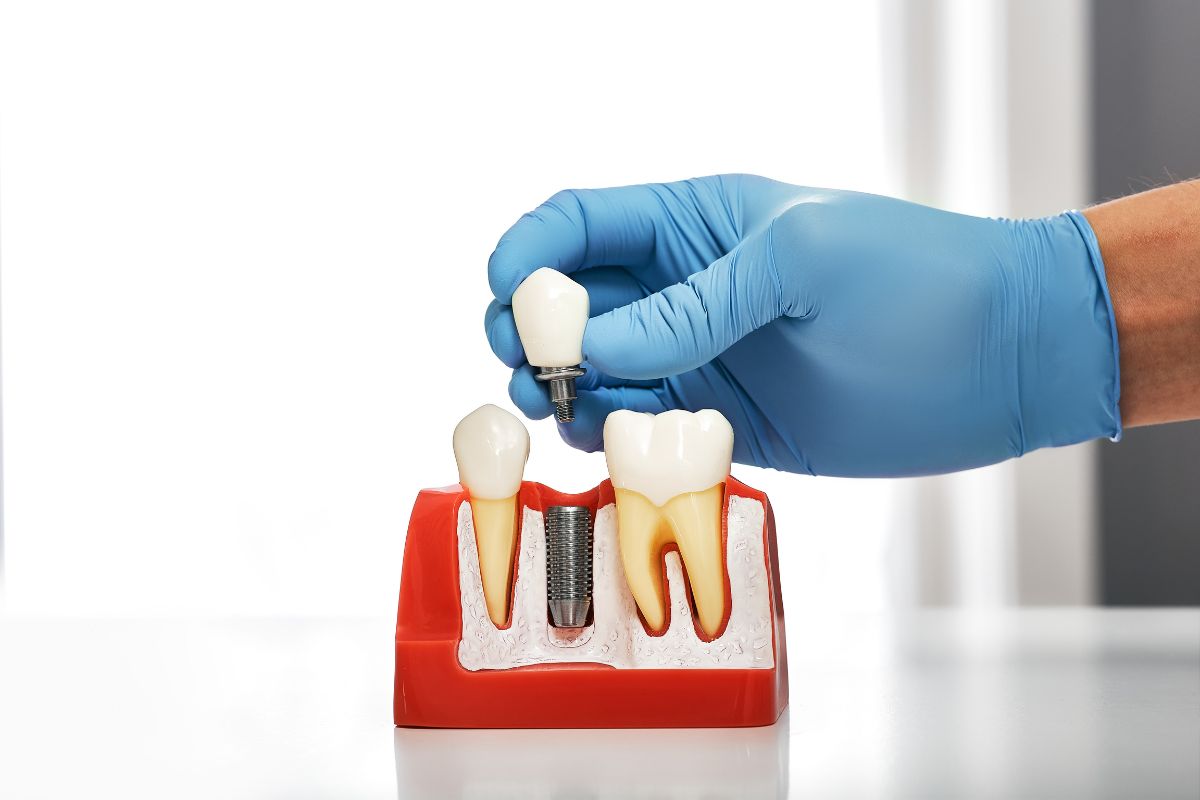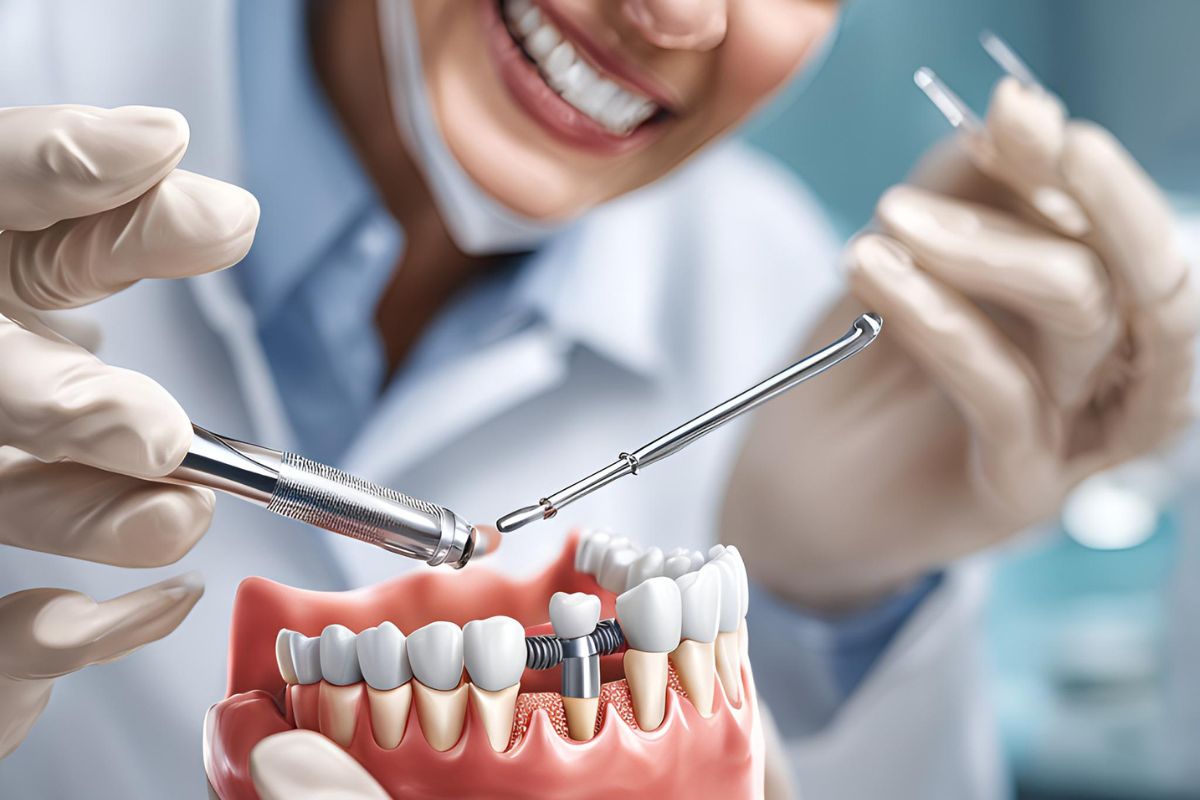
Dental implants are widely regarded as the optimal solution for replacing lost or damaged teeth. They provide a permanent, natural-looking alternative to traditional dentures and bridges. A critical consideration for individuals considering this procedure is the lifespan of these prosthetic teeth. A clear understanding of their durability is vital for making a well-informed choice.
On average, dental implants have a high success rate and, when properly cared for, can last many years—possibly even a lifetime. However, various factors can influence their lifespan. This article will explore how long these permanent dental fixtures last, the factors that impact their durability, and the essential maintenance required to ensure long-term success.
How Long Do Dental Implants Last?
Replacement teeth solutions are praised for their durability and dependable results. Research has shown that these dental devices have a success rate of 90% to 95% over 10 years or more. In fact, with proper care, dental devices may last a lifetime. However, it’s important to note that the crown may need to be replaced every 15 to 20 years due to the natural wear and tear from chewing and other activities. However, as long as the implanted titanium post is placed correctly and maintained, the implanted post can remain intact for decades, anchored into the jawbone.
Factors That Affect the Lifespan of Implants
Several factors can influence how long your implanted teeth will last. Here are some significant points to remember-
1. Oral Hygiene and Maintenance
The most significant factor is how well you care for them. Like natural teeth, tooth replacements require regular brushing, flossing, and professional cleaning to prevent infection and inflammation. Failing to maintain a good oral hygiene routine can result in gum disease, leading to treatment failure.
2. Type of Material
Dental implants in Colorado Springs are commonly made from titanium or zirconia. Titanium is known for its durability and ability to fuse with the jawbone, a process called osseointegration. High-quality titanium or zirconia dental prosthetics have a longer lifespan due to their strength and biocompatibility.
3. Implant Placement Technique
The technique used is crucial to its success. It may fail if the implant is not properly positioned or the bone is insufficient to support it. Working with a skilled and experienced professional will ensure the implant is correctly placed for the best possible outcome.
4. General Health
Your overall health plays a role in the success of your tooth replacements. Chronic conditions like diabetes, autoimmune diseases, or smoking can impede healing and may affect the stability of the artificial teeth. Discussing your medical history with your oral health professional ensures a smooth recovery process.
5. Bone Density and Quality
The quality and density of your jawbone are essential for a successful procedure. If the bone is too soft or has receded significantly, the implant may not integrate properly with the bone. In such cases, a bone graft may be necessary before the procedure.
6. Age Factor
Age can also impact the longevity of the dental prosthetics. Older patients may experience slower healing and bone regeneration, influencing the treatment’s success. However, prosthetic teeth can still be viable for individuals of all ages, provided they have healthy bones and gums.
7. Bite Force
The force exerted when chewing can affect its longevity. People who clench or grind their teeth are at a higher risk of damage. Wearing a mouthguard at night can help protect your implants and preserve their function for years.
How Can Dental Implants Fail?
While dental implants are generally very successful, they can fail in some cases. Failure is often the result of issues such as poor bone integration, gum infection, or damage from excessive bite force. Other reasons of failure include:
- Infection (Peri-implantitis): Bacterial infections around the implanted site can lead to failure if not treated promptly.
- Inadequate Bone Density: The artificial tooth can become loose if it fuses with the bone properly.
- Poor Oral Hygiene: Poor cleaning can lead to plaque buildup and gum disease, compromising stability.
Long-Term Follow-Up and Maintenance
Regular follow-up visits are essential to ensure the longevity of your prosthetic teeth. These check-ups allow your oral health professional to monitor the condition and surrounding tissue, ensuring everything functions. Professional cleanings are also important for preventing plaque buildup, which can lead to infections.
Routine X-rays may be used to evaluate the bone structure around the implant. Early detection of gum inflammation or bone loss can help prevent complications and extend the implant’s life. Additionally, lifestyle factors such as quitting smoking and managing health conditions like diabetes can positively impact the lifespan of the artificial teeth.
At Apple Grove Dental, we specialize in providing high-quality dental implants and offer comprehensive care to ensure your long-term oral health. If you’re considering restorative dentistry, schedule a consultation with our expert team today to discuss your options and get personalized care tailored to your needs.