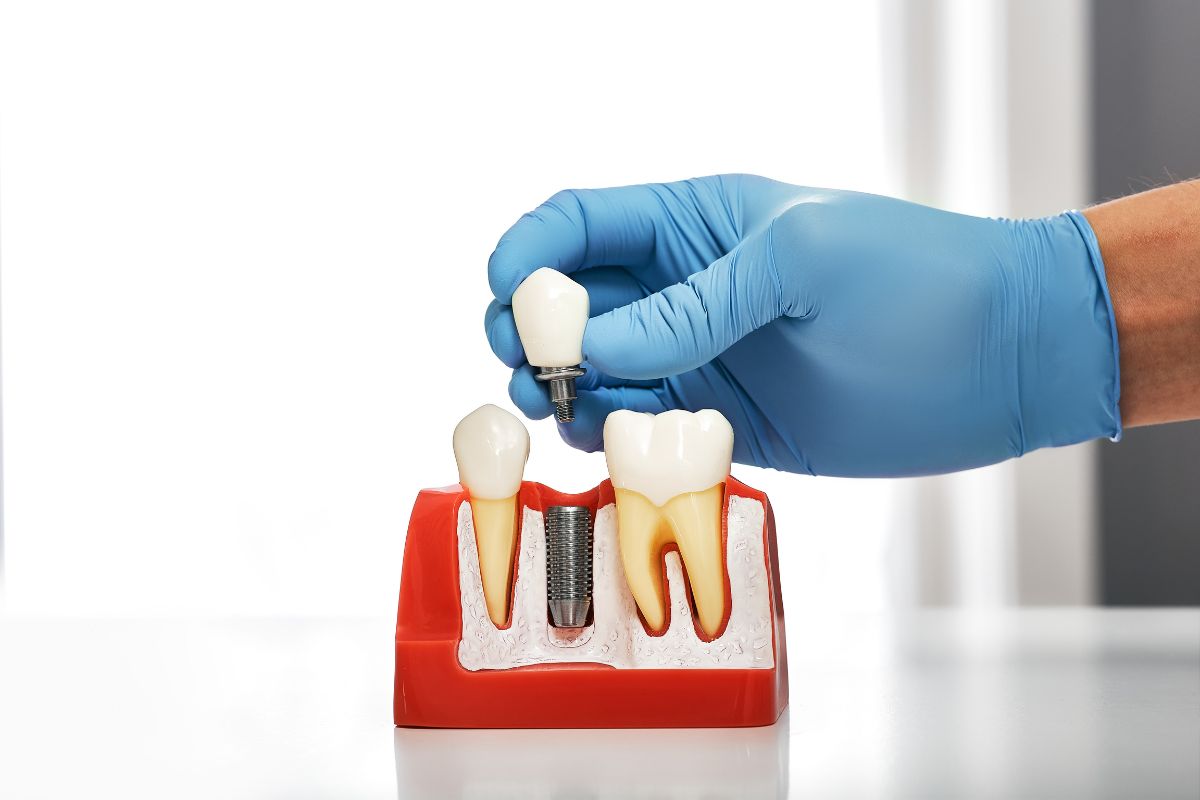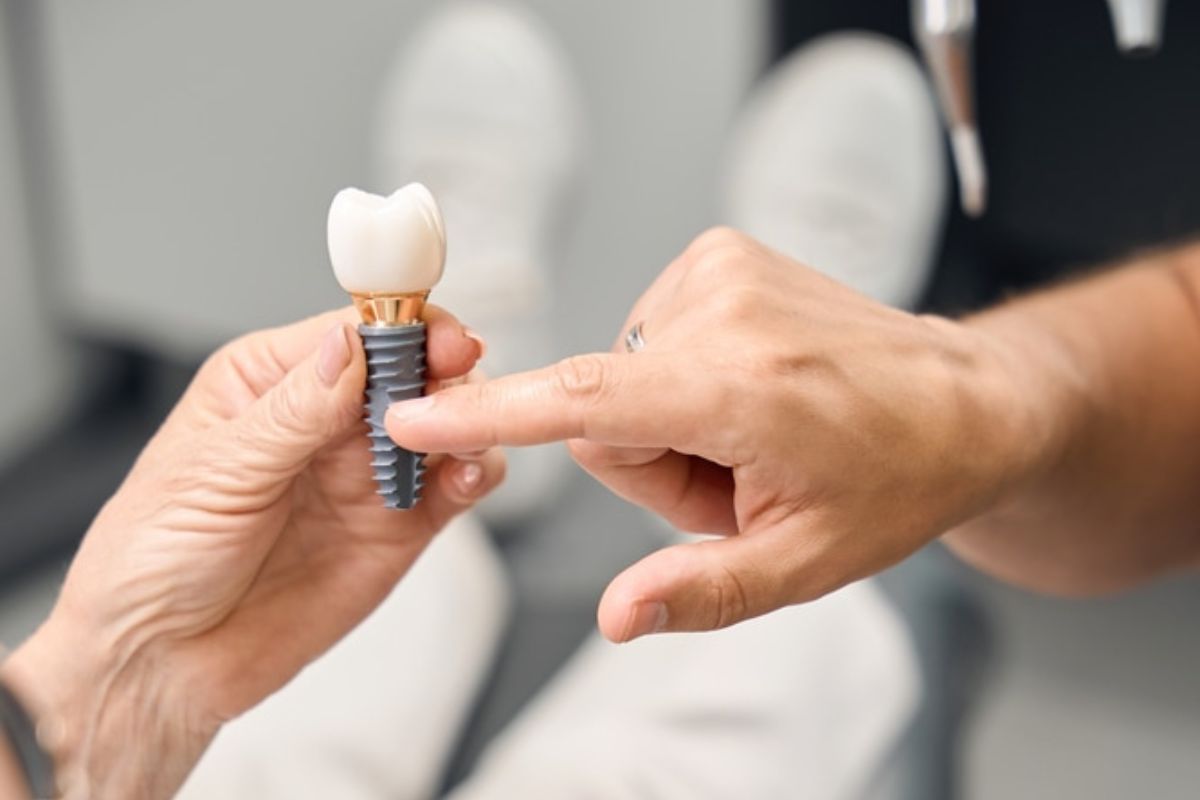
Implants are a strong and reliable solution for missing teeth. However, like any medical procedure, they are not completely risk-free. Most artificial tooth roots last for many years without any issue, but there are certain signs that indicate the procedure is not on track.
Knowing these indications makes all the difference between saving an implanted tooth and needing a replacement. Want to know those signs? Read this blog till the end.
What are the Early Signs of Implant Failure?
Here are some symptoms that indicate the teeth replacement procedure might fail,
Loosening of the Implant or Crown
When you opt for dental implants in Colorado Springs, in the first few months, these oral appliances should start bonding with the jawbone in a process called osseointegration. If it feels loose, it may not integrate properly. This is a sign that requires prompt attention.
Redness, Swelling, or Pain That Does Not Go Away
It is normal to feel sore right after the procedure, but if discomfort continues or worsens over time, it could be a sign of infection or poor healing. Watch for any swelling or redness around the treated site.
Pain While Chewing or Biting
After the initial recovery period, chewing should feel normal. If biting down feels uncomfortable or painful, the tooth replacement option may be misaligned or could have shifted.
Changes in Gum or Visible Metal
If gums start to recede around the implant, the metal post becomes visible. This is not just a cosmetic issue, but it also points to bone loss or poor gum health.
Sudden Sensitivity
These oral appliances should not cause sharp pain or sensitivity when eating or brushing. If that happens, it is time you reach out to a Colorado Springs dentist for professional evaluation.
What are the Late Signs of Implant Failure?
Not all signs show up once the procedure begins to fail, and some start showing up late, and they are as follows,
Persistent Discomfort
Pain that sticks around or appears long after placement is not common. It signals bone loss, infection, or other issues that develop beneath the surface.
Pus or Gum Inflammation
Swollen or inflamed gums around an implant are a serious sign of peri-implantitis. It is a condition that is similar to gum disease that affects the artificial tooth roots. If you find pus, it indicates the implanted tooth is infected.
Foul Odor or Taste
Continuous bad taste in the mouth or foul breath, even with good oral hygiene, signifies a deeper issue like infection around the implant.
Fever, Chills, or Numbness
Though rare, severe infections cause symptoms such as chills or fever. If the implant was placed too close to a nerve, it causes tingling or numbness in the tongue, face, or lips.
What to Do if You Notice a Problem?
The earlier a potential issue is found, the better the chances of saving your implanted tooth. Waiting too long can lead to more serious complications like bone loss or infection spreading to other areas. If you find out that a bone is visible, continuous pain, or signs of infection, it is necessary to take prompt action.
So, are you planning to replace your lost teeth with these artificial tooth roots? If so, make sure you get it done by a reliable implant specialist to ensure the treatment is right on track and the risks of failure are always negligible.
However, if you are in search of a top-rated dental practice in Colorado Springs to get a long-lasting solution for your missing teeth, look no further and schedule a consultation with our specialist at Apple Grove Dental today!