Your daily dental habits may seem harmless, but some small routines can slowly damage your teeth and gums over time. Many people focus on brushing twice a day yet overlook everyday actions that weaken enamel, increase sensitivity, and raise the risk of cavities. At Apple Grove Dental, patients across Colorado Springs often feel surprised when common routines turn out to affect long-term oral health more than expected.
Why Small Actions Matter More Than You Think
Oral health problems rarely appear overnight. Instead, they usually develop through repeated behaviors that slowly wear down the teeth and irritate the gums. A person may not notice the effects immediately, which makes these issues easy to ignore.
For example, sipping sugary drinks during a busy afternoon near downtown Colorado Springs or chewing ice during dry winter weather may seem harmless at first. However, repeated exposure can create lasting problems.
That is why understanding your daily dental habits can help you protect your smile before serious damage begins.
1. Brushing Too Hard
Aggressive Brushing Can Wear Down Enamel
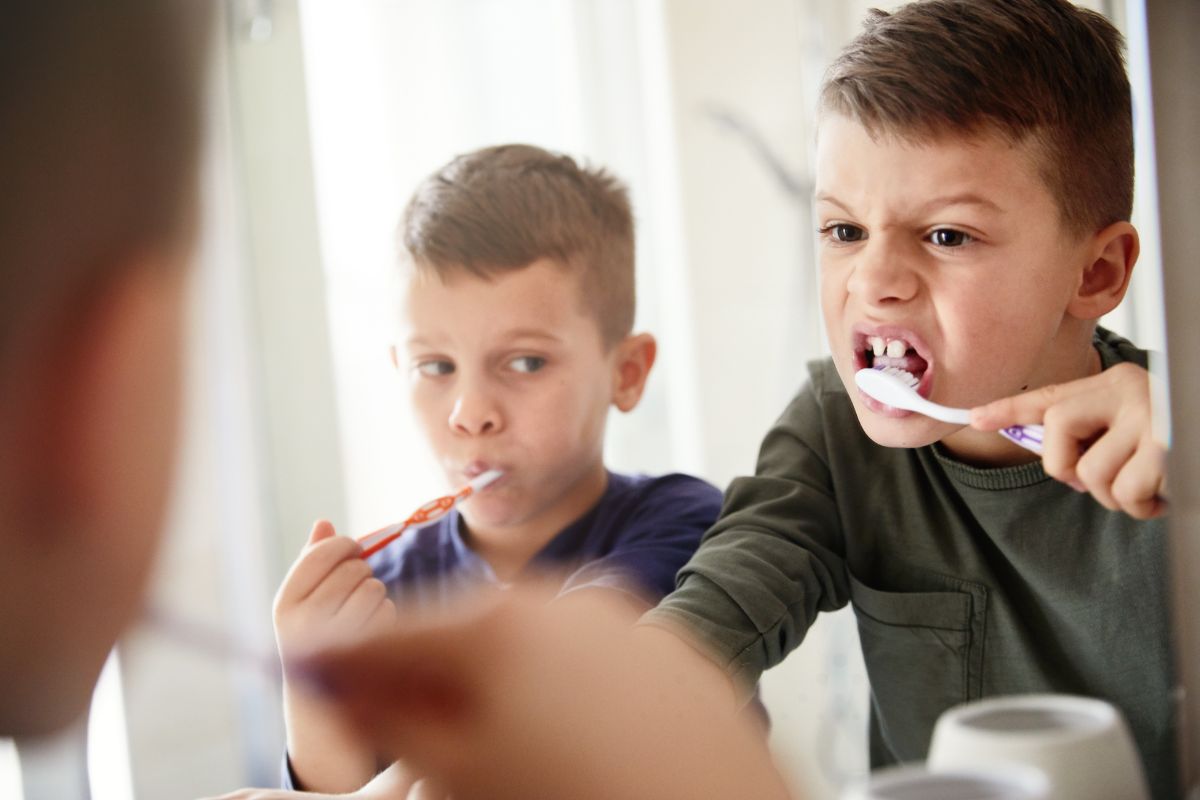
Many people believe harder brushing means cleaner teeth. In reality, brushing too aggressively can damage enamel and irritate gum tissue.
Signs of overbrushing include:
- Tooth sensitivity
- Receding gums
- Worn enamel near the gumline
- Toothbrush bristles that flatten quickly
Instead, use a soft-bristled toothbrush and gentle circular motions. Brushing carefully for two minutes works better than scrubbing forcefully.
Just after helping patients identify harmful brushing patterns, an experienced dentist often explains how improving daily dental habits can prevent long-term oral problems. At Apple Grove Dental, Dr. Toan Chung works with patients to create personalized oral care routines that fit their lifestyle and support healthier smiles.
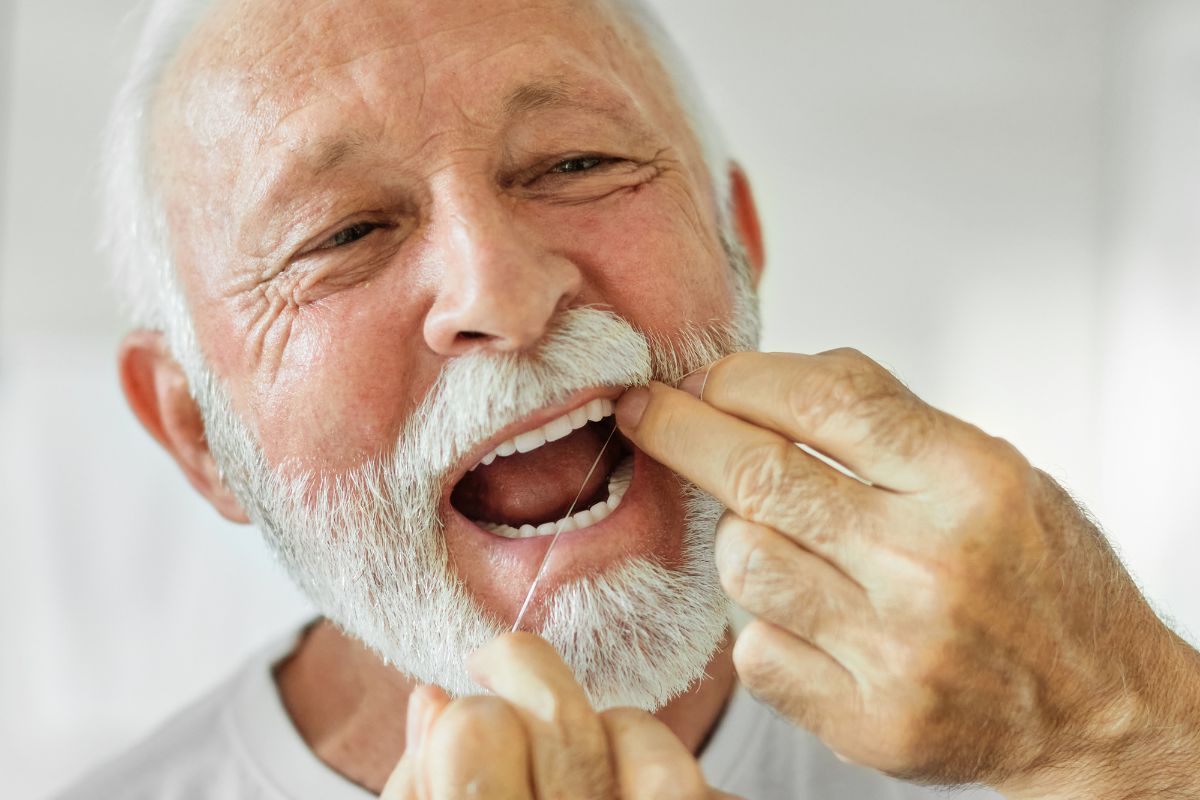
2. Skipping Flossing
Brushing Alone Cannot Reach Every Area
A toothbrush cleans only part of the tooth surface. Food particles and plaque often remain trapped between teeth, especially near the gumline.
Without flossing, bacteria continue growing in those hidden spaces. Over time, this may lead to:
- Cavities between teeth
- Gum inflammation
- Bad breath
- Gum disease
Daily flossing helps remove plaque before it hardens into tartar.
3. Drinking Sugary Beverages Throughout the Day
Constant Sugar Exposure Feeds Harmful Bacteria
Many people drink soda, sports drinks, or sweet coffee slowly over several hours. Unfortunately, frequent sugar exposure gives bacteria more opportunities to attack enamel.
Acidic beverages also weaken the outer tooth surface. This combination increases the risk of decay significantly.
To reduce damage:
- Drink water after sugary beverages
- Use a straw when possible
- Limit sipping throughout the day
- Choose unsweetened drinks more often
These simple adjustments can support healthier daily dental habits without major lifestyle changes.
4. Chewing Ice
Ice Can Crack Teeth
Ice may seem harmless because it is only frozen water. However, chewing hard ice creates strong pressure on the teeth.
This pressure can cause:
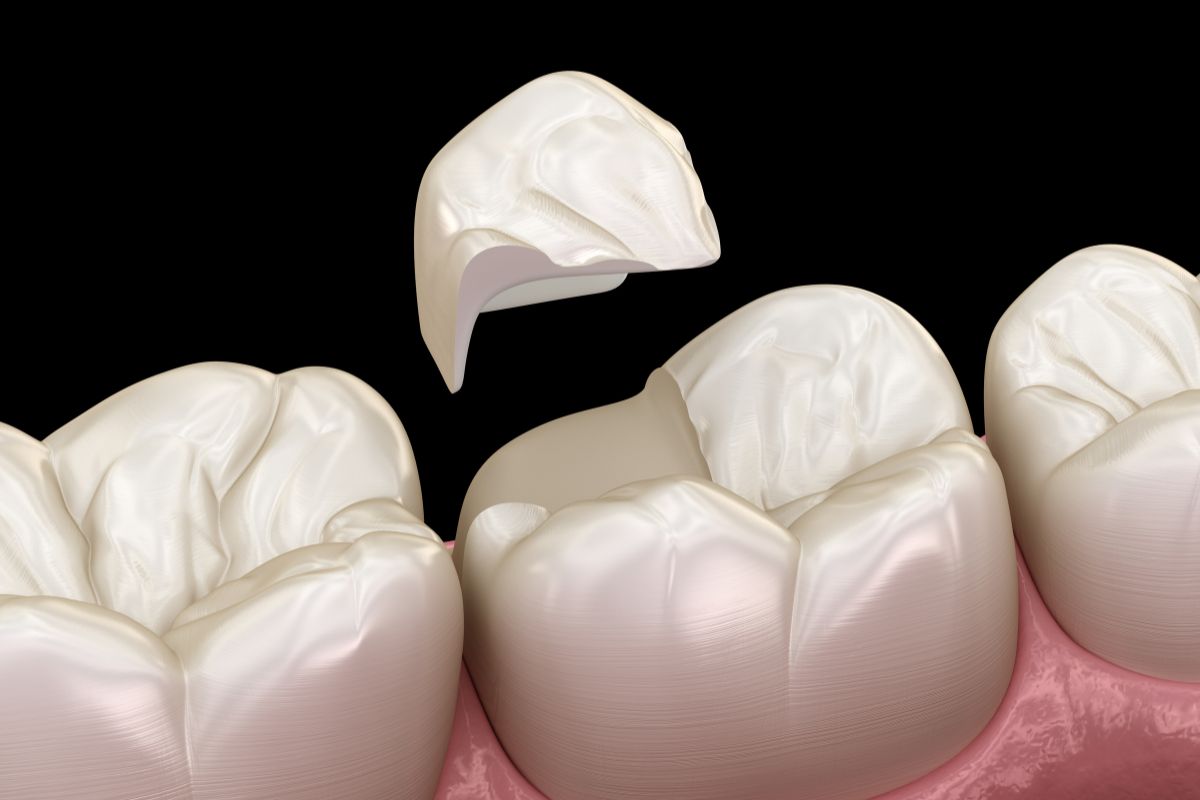
- Tiny enamel fractures
- Chipped teeth
- Broken fillings
- Tooth sensitivity
People who already have crowns or dental restorations face an even higher risk of damage.
If you enjoy cold drinks, try letting the ice melt naturally instead of chewing it.
5. Using Teeth as Tools
Teeth Are Not Designed to Open Packages
Many adults use their teeth to tear wrappers, open bottles, or hold objects when their hands are full. While convenient, this behavior places extreme pressure on the teeth.
As a result, teeth may crack or chip unexpectedly.
Instead of risking dental damage, keep scissors or proper tools nearby whenever possible.
6. Frequent Snacking
Constant Eating Prevents Recovery Time
Every time you eat, bacteria in the mouth produce acid. The teeth need time to recover between meals.
Frequent snacking keeps acid levels elevated throughout the day. This repeated exposure weakens enamel gradually.
Sticky snacks create even more problems because food particles stay attached to teeth longer.
Healthier snack choices include:
- Cheese
- Nuts
- Apples
- Raw vegetables
- Yogurt
These foods support stronger teeth while reducing acid exposure.
7. Grinding Your Teeth
Stress Often Leads to Night Grinding
Many people grind or clench their teeth during sleep without realizing it. Stress, anxiety, and sleep problems commonly contribute to this issue.
Teeth grinding may cause:
- Jaw soreness
- Headaches
- Cracked teeth
- Worn enamel
- Tooth sensitivity
A dentist can often identify grinding during a routine exam. In some cases, a custom nightguard may help protect the teeth from further damage.
8. Ignoring Dry Mouth
Saliva Protects the Teeth Naturally
Saliva helps wash away bacteria and neutralize acids. When the mouth becomes too dry, plaque builds up more easily.
Dry mouth often develops because of:
- Certain medications
- Dehydration
- Smoking
- Aging
- Excess caffeine intake
In Colorado Springs, dry air and changing weather conditions may also contribute to mouth dryness.
To support healthier daily dental habits, drink water regularly and avoid tobacco products whenever possible.
9. Brushing Right After Acidic Foods
Acid Softens Enamel Temporarily
After eating citrus fruits or drinking acidic beverages, enamel becomes softer for a short time. Brushing immediately afterward may wear away enamel faster.
Instead:
- Wait about 30 minutes before brushing
- Rinse with water first
- Chew sugar-free gum to increase saliva flow
This gives enamel time to recover naturally.
10. Skipping Regular Dental Checkups
Small Problems Often Go Unnoticed
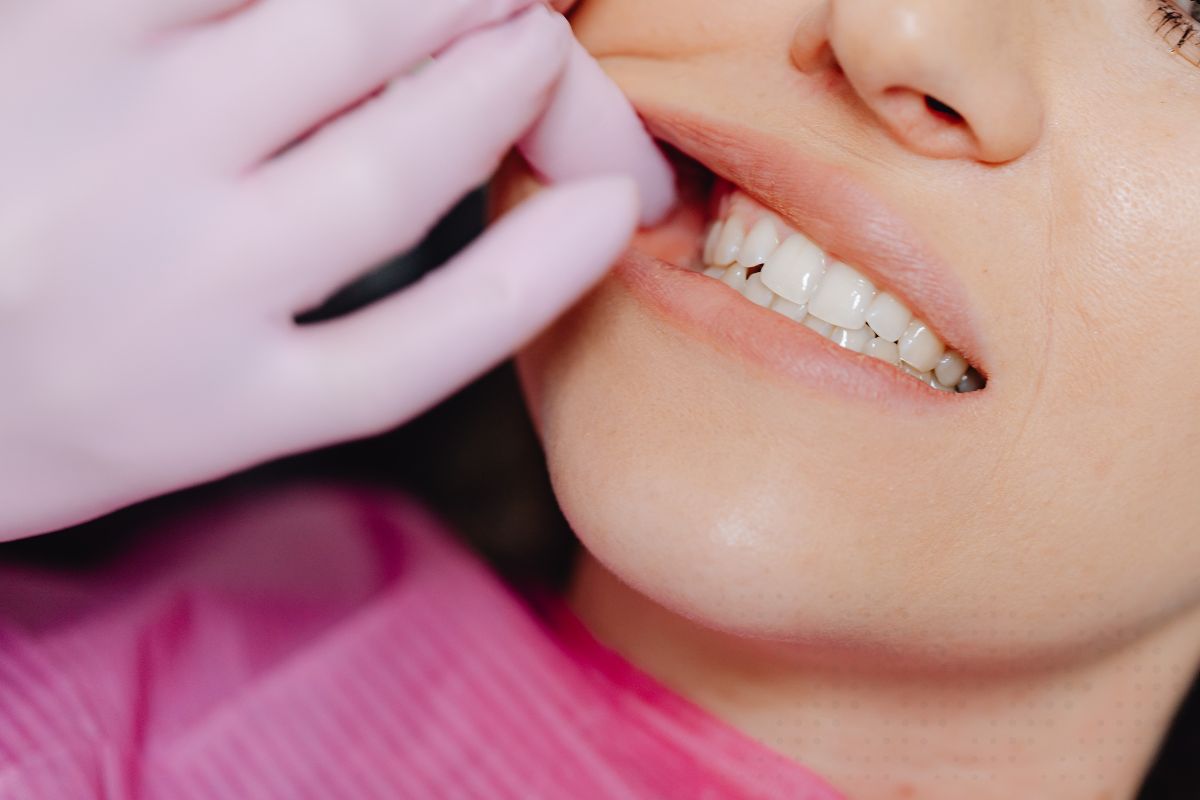
Even people with good home routines can develop cavities or gum problems. Regular dental visits help detect issues early before they become painful or expensive to treat.
Professional cleanings also remove tartar that brushing and flossing cannot eliminate.
Routine visits may help identify:
- Early cavities
- Gum disease
- Cracked fillings
- Oral cancer warning signs
- Teeth grinding damage
Preventive care remains one of the smartest ways to protect long-term oral health.
How to Build Better Oral Care Routines
Healthy routines do not need to feel complicated. Small improvements can create meaningful results over time.
Helpful Daily Tips
Morning Care
- Brush gently with fluoride toothpaste
- Drink water after coffee
- Avoid sugary breakfast drinks
During the Day
- Limit acidic beverages
- Choose healthier snacks
- Stay hydrated
Evening Care
- Floss before bed
- Avoid late-night sugary snacks
- Wear a nightguard if recommended
Consistency matters more than perfection.
Why Prevention Always Matters
People often wait until pain appears before visiting the dentist. However, preventive care usually saves time, money, and discomfort later.
Strong oral health supports more than just your smile. It also affects confidence, speech, comfort, and overall wellness.
When patients improve their daily dental habits, they often notice fresher breath, reduced sensitivity, and healthier gums within a relatively short time.
Many common routines can slowly harm your teeth without obvious warning signs. From aggressive brushing and frequent snacking to teeth grinding and skipping flossing, these behaviors may create long-term oral health problems if ignored. Fortunately, small changes can make a major difference over time. If you want personalized guidance for healthier smiles and preventive care solutions, visit our dental office in Colorado Springs at Apple Grove Dental and schedule an appointment with Dr. Toan Chung today.