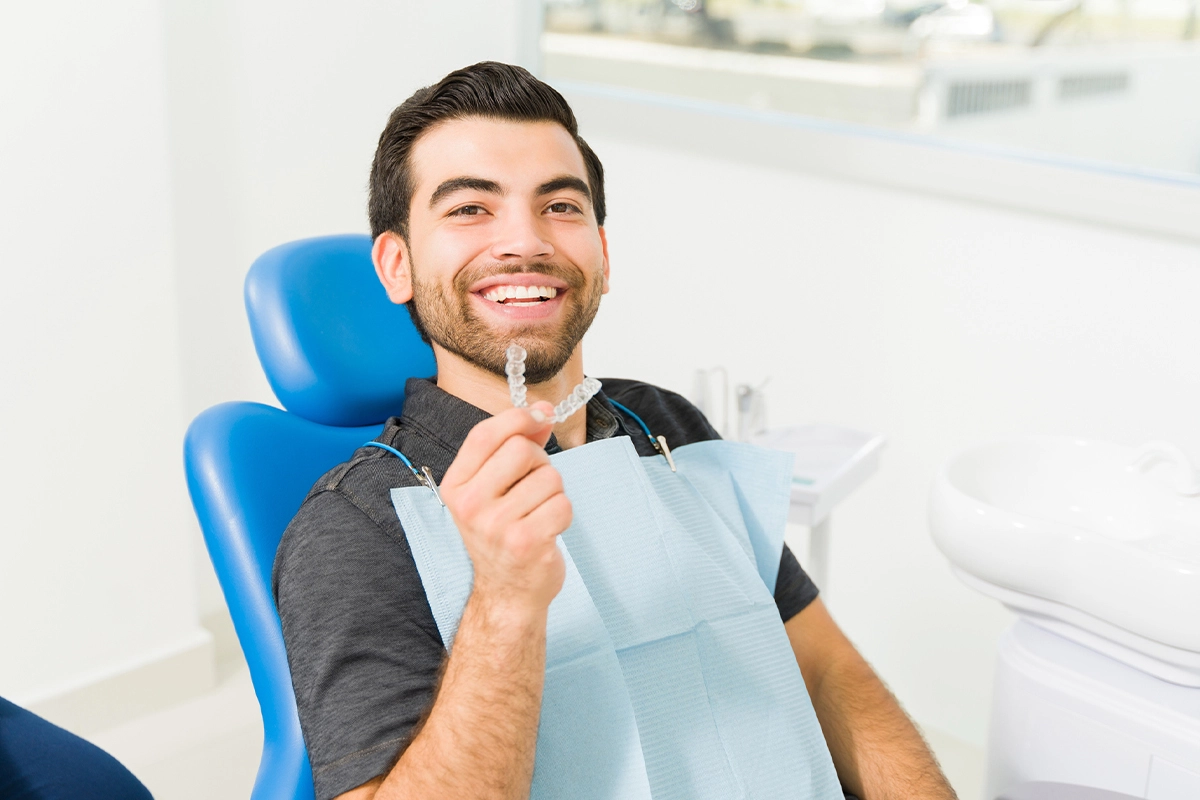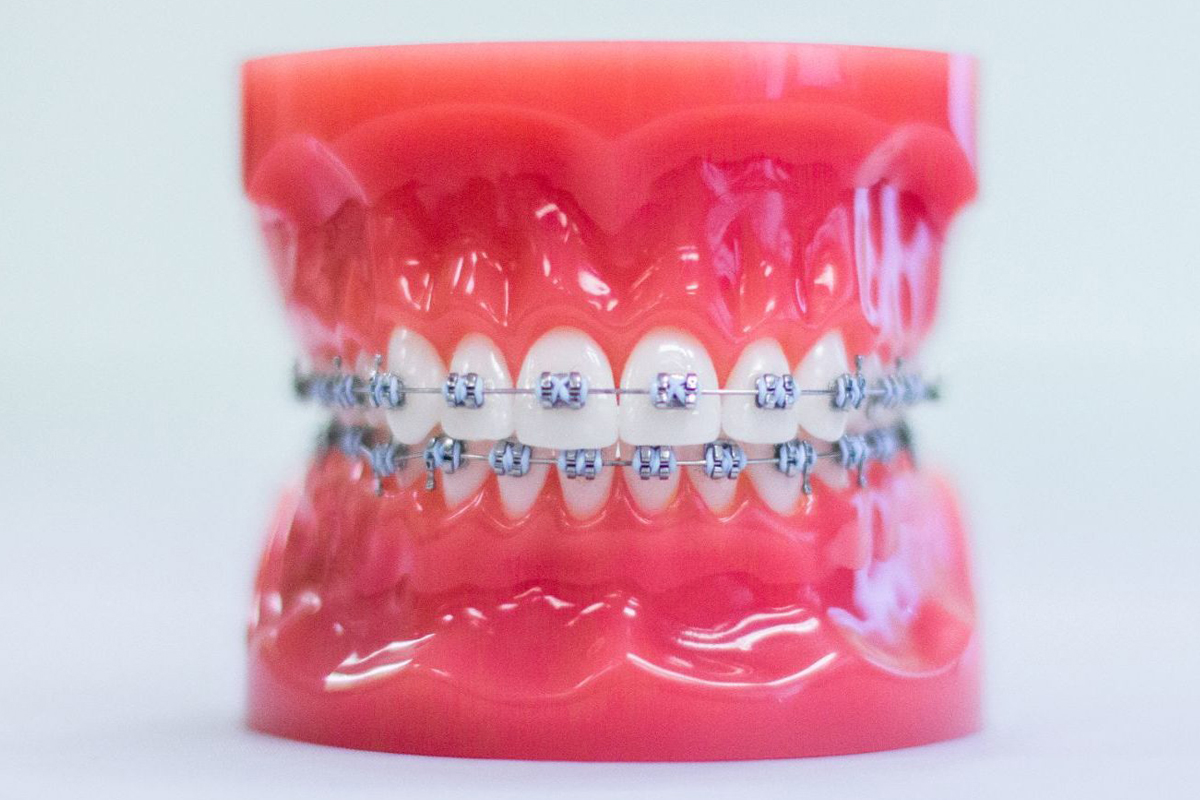
Orthodontists have been helping people for a very long time now. Orthodontic treatments are here to help people who are embarrassed by their smile. These treatments will take what you are most insecure about and make it the thing you are most proud of having. The orthodontists are described as being a scary place to go too. In reality, it is the perfect place to go to for people that want to fix their smiles. When you are finished, you will be getting compliments everywhere you go. Before you know it, you will be smiling everywhere you go.
Orthodontic treatment is a journey toward achieving a healthier, more confident smile. The duration of this journey can vary significantly based on several factors. While the average treatment time ranges from 12 to 36 months, it’s essential to understand what influences this timeline and how you can contribute to a more efficient process.
What is an Orthodontic Treatment?
Orthodontic treatment is applying pressure to your teeth to make them go in the right direction. For people with gaps, this would mean pushing your teeth together. For people misplaced teeth, this would mean pulling your teeth down or pushing them up in the right direction. After your treatment is over, your teeth will all be in the correct place. You will have a smile worth showing instead of the one you want to hide. Of course, a change like this won’t happen overnight.
How Long Does Orthodontic Treatment Last
Orthodontic treatment takes longer depending, on the problems you have. Average problems take less time, and more complicated problems take more time. Having gaps would be an average problem, this would take, six months to 1 year. Crooked or overlapping teeth are more complicated problems. These kinds of problems could take one year to two years to fix. Some problems require direct pressure on certain teeth first and then finish fixing the rest of your teeth. You have to remember this process is moving each of your teeth into the right place. That is a lot of work even for minor problems. It might get frustrating, but after you finish your teeth will be perfectly in place.
Factors Influencing Treatment Duration
- Age of the Patient
- Children and Adolescents: Younger patients often experience faster tooth movement due to the flexibility of their growing bones. Early intervention can lead to shorter treatment times.
- Adults: While adults can achieve excellent results, treatment may take longer due to denser bone structures and less active growth.
- Severity of Dental Issues
- Minor Misalignments: Issues like slight spacing or mild crowding may require less time to correct.
- Complex Cases: Severe malocclusions, such as deep bites, overbites, or significant tooth rotations, typically necessitate longer treatment periods.
- Type of Orthodontic Appliance
- Traditional Braces: These are effective for a wide range of dental issues and may require more time for adjustments.
- Clear Aligners (e.g., Invisalign): Suitable for mild to moderate cases, clear aligners offer a discreet option but may take longer if not worn as prescribed.
- Lingual Braces: Placed behind the teeth, these are less visible but can be more challenging to adjust, potentially extending treatment time.
- Patient Compliance
- Adhering to the orthodontist’s instructions, attending scheduled appointments, and maintaining good oral hygiene are crucial for timely treatment completion.
- Biological Response
- Individual differences in bone density and tissue response can affect how quickly teeth move into their desired positions.
- Use of Technology
- Advances in orthodontic technology, such as 3D imaging and digital treatment planning, can lead to more precise adjustments and potentially shorter treatment times.
Typical Treatment Timeline
- Phase 1 (Initial Phase): This phase focuses on addressing significant dental issues and may last between 6 to 18 months.
- Phase 2 (Active Treatment): The main phase where teeth are moved into their new positions, typically lasting 12 to 24 months.
- Retention Phase: After braces or aligners are removed, retainers are used to maintain the new tooth positions. This phase can last several months to years, depending on individual needs.
Tips to Ensure a Timely Treatment
- Follow Instructions: Wear your appliances as directed by your orthodontist.
- Maintain Oral Hygiene: Proper brushing and flossing prevent complications that could delay treatment.
- Attend Appointments: Regular check-ups allow your orthodontist to monitor progress and make necessary adjustments.
- Avoid Harmful Habits: Refrain from habits like nail-biting or chewing on hard objects, which can damage appliances.
Things That Affect Your Treatment Time
Some people don’t know that your age affects how long your orthodontic treatment takes. Younger people’s treatment goes by faster than adults. Adults also have to worry about things like wisdom teeth growing in pushing their teeth more while trying to get them corrected. Another thing is your teeth, the more problems, you have the longer the process will take. Each of your teeth that are in the wrong place has to move to the right position. These things will determine if you have a short or longer orthodontic treatment.
Orthodontic treatment isn’t a quick process. After reading this, I’m sure you understand why. There isn’t one set time you can set for your treatment. Considering the factors that affect your treatment time, you can make an estimation. You won’t know exactly how long your treatment will be. Your orthodontist will tell you how long it will take. Read here for more information on the recommended age for orthodontics. During your treatment, you might feel annoyed, but it is worth it. All good things take time, especially major changes like correcting your teeth. Once you are done, you will see, it was worth the wait.