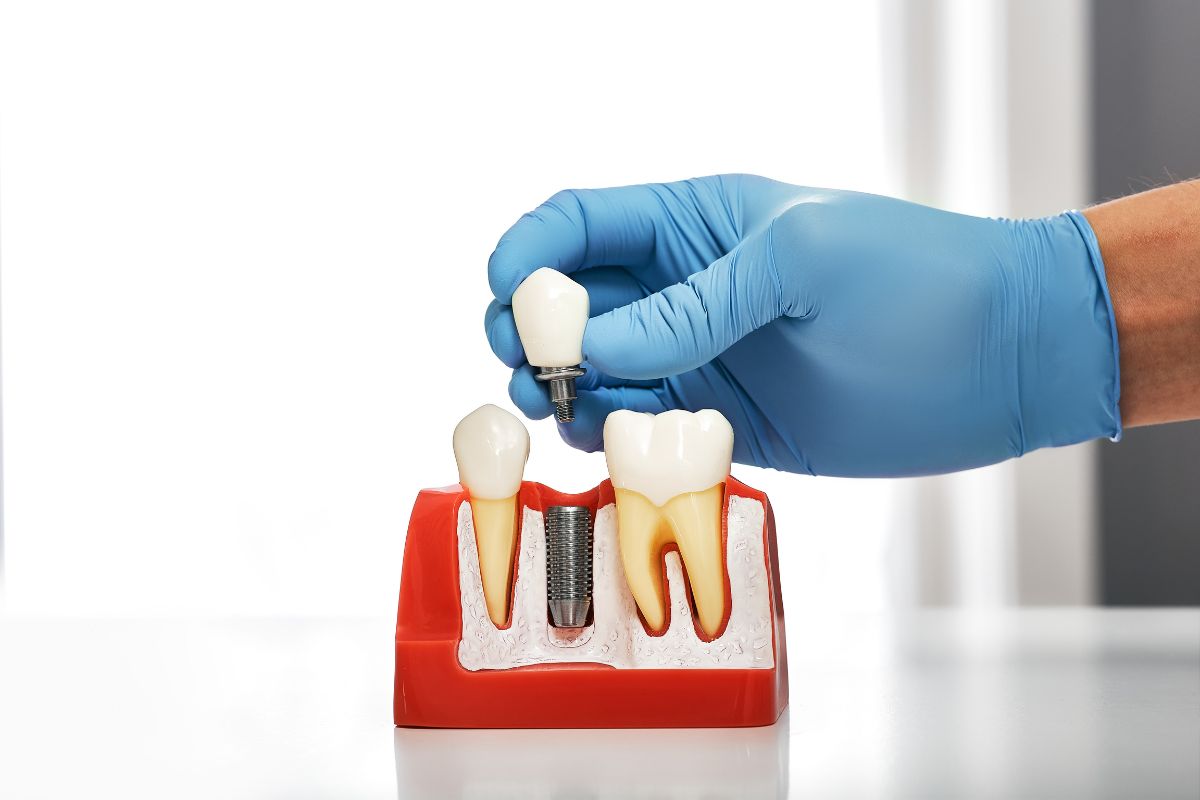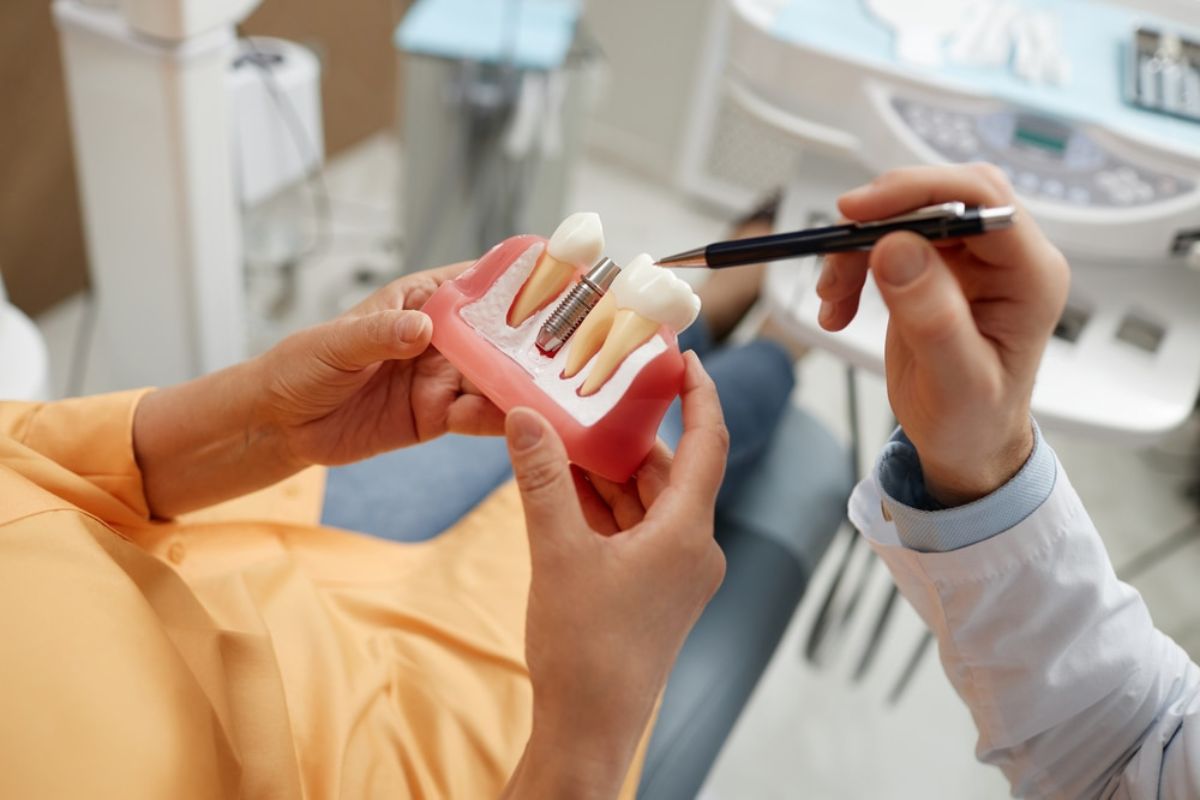
Dental implants in Colorado Springs are the best tooth replacement options one can ever have. They are comfortable, durable, and worth every penny you have invested. While it is treated as a permanent and effective solution to missing teeth, you might not be the ideal candidate for this treatment. Everyone has different oral conditions that may or may not be suitable for such surgeries. In that case, the drawbacks can outweigh the benefits.
Since the process involves mental and financial commitments, consider understanding the consequences as the first step. Knowing it as a permanent solution might have uplifted your expectations. However, acknowledging the challenges can help you relate to reality while aligning your needs.
Are Implants Suitable For Your Dental Health?
Determining whether dental implants suit your oral health is essential before deciding. You should consider several factors, including your lifestyle choices, gum health, and general wellness. By analyzing these aspects, you can go forth to make a confirmed decision. Below are some factors that will help you gain a transparent picture.
- Individuals with a healthy oral condition are more likely to undergo this treatment with successful outcomes. However, people who are diagnosed with high diabetes count or have immune disorders are prone to risks with an implant.
- Adequate bone density and healthy gums are necessary to sustain an artificial tooth. Additional surgeries, such as bone grafting, can be required if you have substantial bone loss or periodontal disease.
- If you are a regular smoker, your healing progress will be impacted, delaying long-term results. Quitting these habits increases the chance of getting a fixture, reducing the risk factors.
- Implants require optimum oral hygiene care. If you are dedicated to routine checkups and cleaning, it can be a viable option.
- Recovery from fixtures is a long-term process that can take several months. It might not be an ideal option if you are looking for quick results.
Consulting a dental care provider is the best option for determining whether your oral health can support dental prosthesis without any severe complications.
Drawbacks To Consider Before Opting For Implants
- Cost For The Surgery
Since it is a sustainable option that can improve your smile by replacing the missing teeth, the cost involved might not suit your budget. It is significantly pricier than other tooth replacement methods, such as bridges, crowns, or removable dentures.
While the cost varies depending on the complexities of the case, fixtures often require multiple visits to a dentist, imaging, and the use of specialized tools, contributing to a surge in expenses.
- The Healing Takes Time
Getting an artificial tooth is a long-term fix. From beginning to end, the procedure takes several months.
It involves the healing phase followed by an initial implant post-insertion, and lastly, Osteointegration, a term for the stage, which may take three to six months or more. This lengthy period might bother people who are looking for immediate results.
- Involvement Of Surgical Risks
Like any surgical procedure, this treatment also involves potential risks if proper care is not taken. As a result, it can affect the gums or nerves around the surgery. Sometimes, the implant might not integrate with the jawbone, leading to failure.
- Discomfort And Adjustments
It is common to feel pain, swelling, or discomfort after the surgery. The healing period can be unpleasant, but these symptoms usually disappear in a few days.
Additionally, getting used to how dental implants in Colorado Springs feel in your mouth could take some time. This phase of transition may be frustrating for many individuals.
Key Takeaways
Deciding whether fixtures are best suited for you requires careful consideration of both the pros and cons. Mostly, you will find options to choose a fixture without portraying the facts that might affect your financial and mental stability.
Although they have lasting results, weighing the drawbacks and consulting a professional dentist will clarify your needs, expectations, and other circumstances.