Are you considering dental implants but unsure if you are a suitable candidate? These restorations are a popular and effective solution for replacing missing teeth. They provide a natural look and feel. However, not everyone is a suitable candidate for this procedure. Understanding the factors that might disqualify you can help you make the right decision.
Understanding Dental Implants
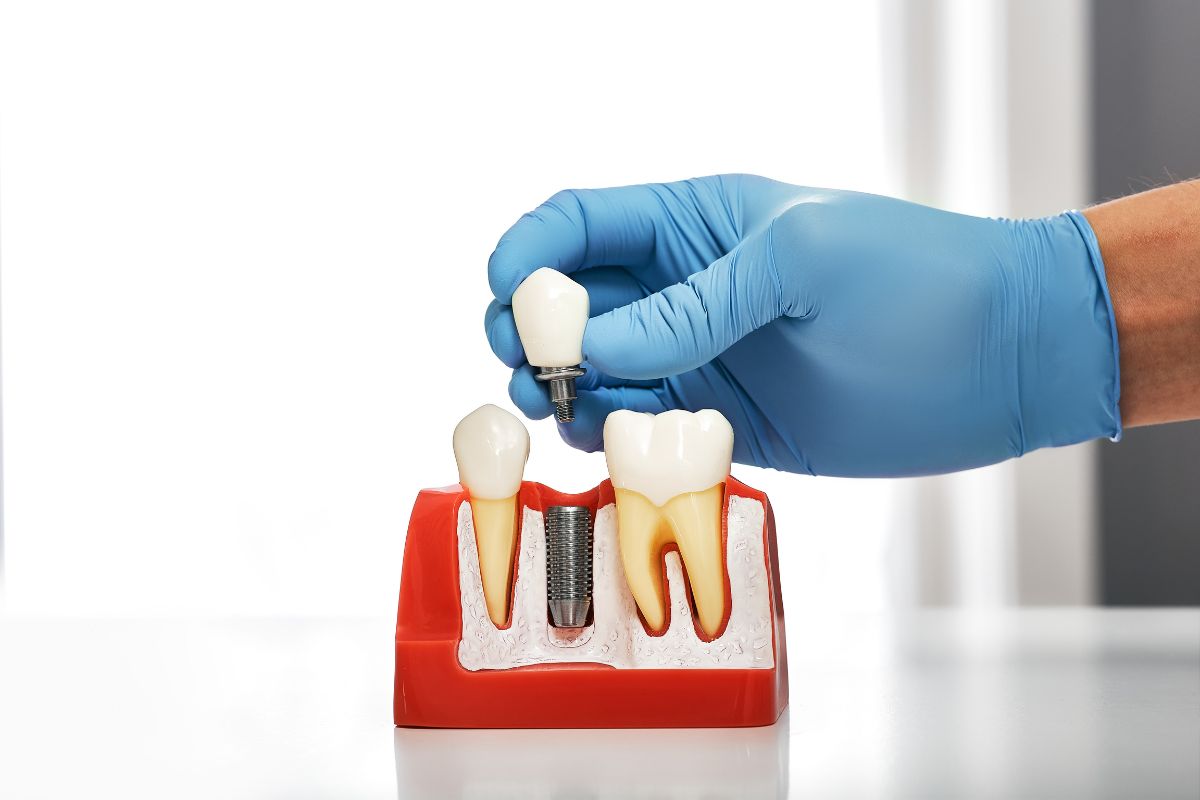
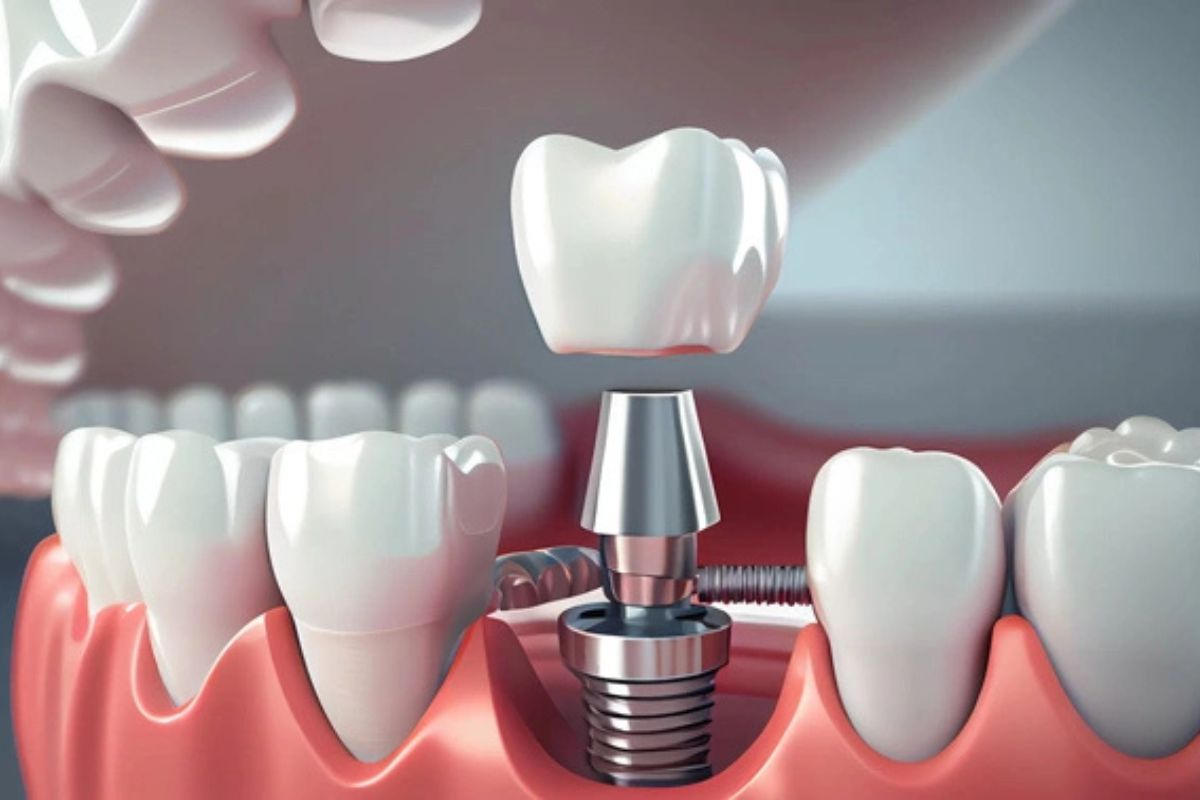
Titanium implants are artificial tooth roots placed into the jawbone to support replacement teeth or a bridge. They are composed of biocompatible materials, such as titanium. These tooth roots integrate with the bone through the process called osseointegration. It provides a stable foundation for artificial teeth, restoring both function and aesthetics.
Who Should Avoid Dental Implants? Key Factors Explained
- Insufficient Jawbone Density
A strong and healthy jawbone is essential for the success of implants. However, individuals having significant bone loss due to prolonged tooth loss, trauma, or conditions like osteoporosis may not have enough bone to support an implant. In such situations, procedures such as bone grafting or sinus lifts are often required before selecting these restorations.
- Uncontrolled Chronic Health Conditions
Certain health conditions can negatively impact the healing process and increase the risk of complications during and after the procedure. Conditions like uncontrolled diabetes, heart ailment, or autoimmune disorders can affect the body’s ability to recover and fight against infections. It is crucial to manage these conditions effectively before the surgery.
- Age Considerations
While age itself is not a disqualifying factor, young individuals whose jawbones are not fully developed may not be the ideal candidates. Placing the artificial tooth roots before the jaw has matured can interfere with natural growth and lead to misalignment. It is recommended to wait until the jawbone has fully developed before considering dental implants in Colorado Springs.
- Smoking and Tobacco Use
Smoking and tobacco use can significantly hamper your healing process after the implant is placed. Nicotine reduces the blood flow to gums and bones, increasing the risk of infection and artificial tooth root failure. The dental professionals often advise patients to quit smoking before and after the treatment to enhance recovery and improve chances of success.
- Active Gum Disease
Healthy gums are essential for the stability of titanium dental posts. Individuals with active gum disease may have compromised gum and bone health. It makes it difficult for the artificial tooth roots to integrate correctly. Treating periodontal disease before the dental post placement is essential to ensure long-term stability.
- Severe Bruxism or Teeth Grinding
Bruxism, also known as chronic teeth grinding, can place significant strain on dental implants, potentially leading to their failure or premature loss. People who experience severe bruxism might need to tackle this problem before looking into implants.
Options for treatment include wearing a custom-fitted mouthguard at night to protect the implants from the pressure of grinding and clenching. Furthermore, techniques aimed at reducing stress may help alleviate the symptoms of bruxism.
- Poor Oral Hygiene
Maintaining proper oral hygiene is crucial for the longevity of tooth implants. Those who are either unable or unwilling to maintain adequate oral care may not be ideal candidates. Consistent brushing, flossing, and routine dental visits are necessary to avert infections and preserve the health of both natural and implanted teeth.
- Certain Medications
Certain medications can influence the healing process of bones and might hinder the success of dental false tooth roots. For example, bisphosphonates, which are frequently prescribed for osteoporosis, can affect bone remodeling and heighten the chances of complications. It is crucial to disclose all medications you are using to your dentist so they can evaluate their possible effects on implant procedures.
Determining whether you are a suitable candidate for titanium tooth posts involves evaluating several factors, including bone density, gum health, lifestyle habits, and any medications you may be taking. Consulting with a qualified dentist in Colorado Springs can offer you personalized insights and help you explore other choices if artificial tooth roots are not suitable.
At Apple Grove Dental, Dr. Toan Chung and our team are dedicated to providing comprehensive oral care tailored to your individual needs. If you are considering titanium posts or have concerns about eligibility, we invite you to book an appointment. Let us guide you toward the best solution for your oral health and smile.