Many people worry about tooth sensitivity, damage, or early signs of decay and wonder, “Does Enamel Grow Back?” This question matters because the health of your teeth depends strongly on how well you protect this outer layer. Although many believe it can fully regenerate, the truth is more nuanced. Understanding what’s really happening can help you make better decisions for long-term oral health.
What Is Tooth Enamel and Why Is It So Important?
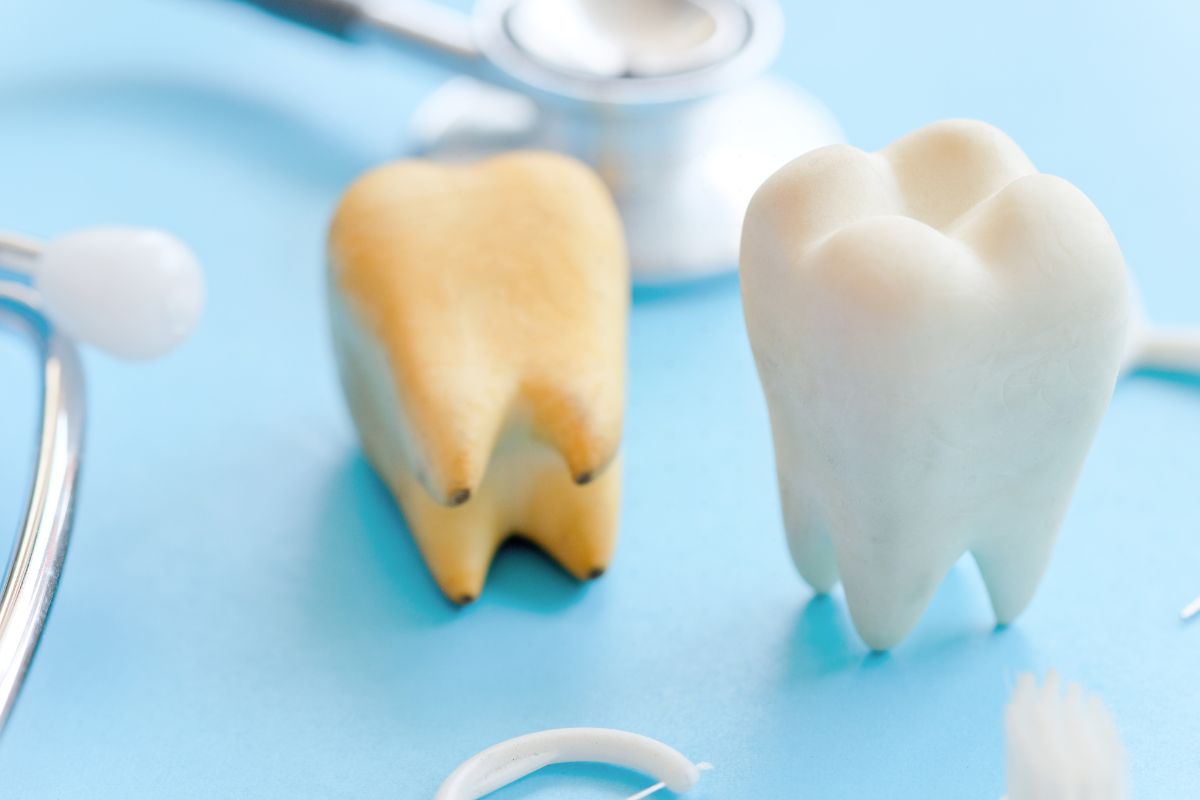
Tooth enamel is the strong outer covering that protects your teeth from wear, pressure, and harmful acids. It is harder than bone and acts like a shield every time you chew, bite, or expose your teeth to hot or cold foods. Despite being extremely strong, it cannot heal itself the way skin or bones do.
Key functions of enamel include:
- Protecting the inner layers of your teeth
- Preventing cavities and decay
- Reducing sensitivity
- Maintaining the natural shape and structure of each tooth
Because it has no living cells, once enamel becomes worn down, it cannot regenerate like other tissues in your body.
Can Enamel Grow Back? Understanding the Real Answer
The simple answer is NO — enamel cannot fully grow back once it is lost.
But before you worry, it is important to understand the good news: you can strengthen the remaining enamel and stop further damage with proper care.
Right after this, it’s worth sharing something important. When patients ask this question at our practice, our trusted dentists in Colorado Springs at Apple Grove Dental explain that protecting enamel early is the easiest path to a healthy smile, especially before any permanent damage occurs.
What Actually Happens Inside Your Mouth? The Science Behind Enamel Loss
To understand why enamel cannot “grow back,” it helps to look at what affects it daily. Your mouth goes through constant cycles of demineralization and remineralization.
Demineralization (Damage Stage)
This stage weakens enamel when:
- You consume sugary or acidic foods
- Bacteria produce acids that cling to your teeth
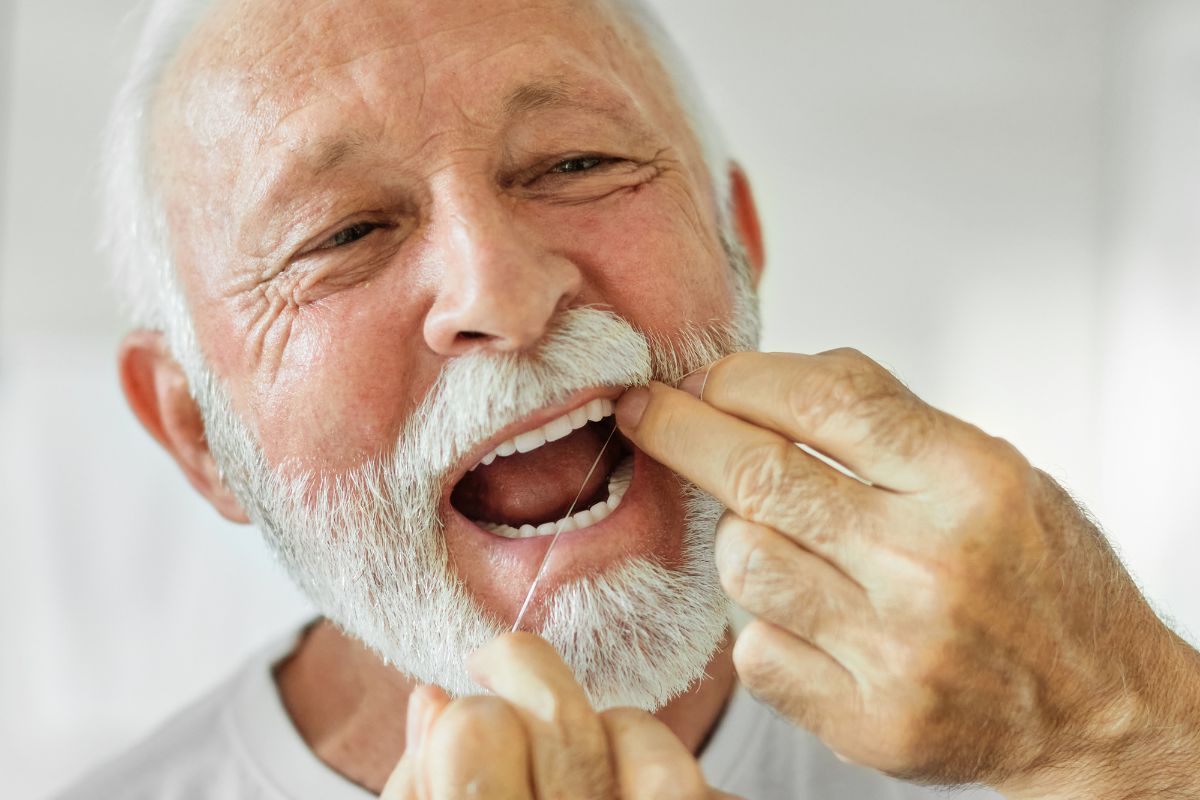
- You skip brushing or flossing
- Your mouth becomes dry or dehydrated
Remineralization (Strengthening Stage)
Your saliva naturally repairs weakened areas by supplying minerals like calcium and phosphate. Although this does not rebuild lost enamel, it strengthens what remains, making it more resistant to future damage.
How You Can Help Strengthen Your Enamel Naturally
Even if enamel does not grow back, you can still slow down or reverse early weakening. This is where your daily habits play a huge role.
1. Use Fluoride Toothpaste
Fluoride binds to weakened tooth surfaces and toughens them against acid attacks.
2. Cut Down on Acidic Drinks
Limit soda, citrus juices, sports drinks, and flavored sparkling waters. If you do drink them, use a straw to reduce contact.
3. Rinse Your Mouth With Water After Eating
This helps neutralize acids and wash away harmful particles.
4. Eat Mineral-Rich Foods
Foods like dairy, almonds, and leafy greens support natural remineralization.
5. Stay Hydrated
Good saliva flow is one of the best natural defenders against enamel damage.
6. Avoid Overbrushing
Brushing too hard can scrape away enamel over time. Use a soft-bristle brush and gentle strokes.
Early Signs That Your Enamel Needs Attention
Knowing the warning signs early can prevent serious problems later.
Watch out for:
- Tooth sensitivity to cold, heat, or sweets
- Discoloration or white spots on the surface
- Rough or uneven edges
- A chalky texture
- Small chips or cracks
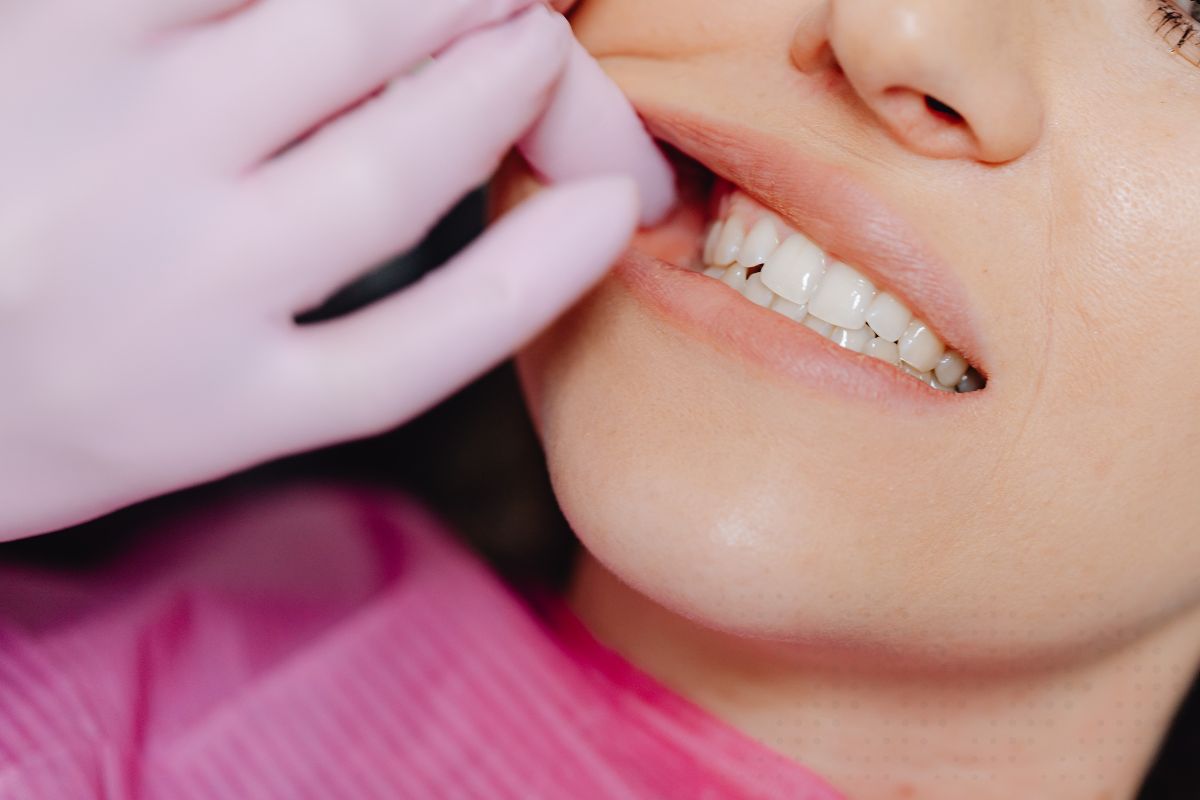
If you notice any of these symptoms, schedule a dental checkup right away so that the damage doesn’t progress.
Professional Treatments That Help Protect Your Teeth
Your dentist has access to highly effective treatments that keep enamel strong and prevent further loss.
Fluoride Applications
Stronger than regular toothpaste, these treatments offer added protection.
Dental Sealants
A thin coating is added to the chewing surfaces to prevent bacteria from settling in.
Bonding
This procedure covers eroded areas and improves the tooth’s appearance.
Veneers or Crowns
For advanced enamel loss, these solutions restore shape, strength, and function.
Your dentist will recommend the right option based on your level of enamel erosion and overall oral condition.
Daily Habits to Avoid If You Want to Protect Your Enamel
Sometimes, small actions repeated over time can cause surprising enamel damage. Be cautious of:
- Grinding your teeth (ask your dentist about nightguards)
- Chewing on ice or pens
- Drinking acidic beverages throughout the day
- Snacking too frequently
- Using your teeth as tools to open packages
Even small lifestyle shifts can dramatically improve the health of your enamel over time.
Can You Prevent Enamel Loss Completely?
Although enamel does not grow back, you can prevent most of the loss if you follow consistent oral-care habits. That’s why dentists focus on strengthening, protecting, and preventing instead of “regrowing.”
Good oral care is not difficult. It simply requires:
- Brushing twice daily
- Using fluoride toothpaste
- Visit your dentist regularly
- Maintaining a balanced diet
- Stay mindful of acidic foods
With the right approach, you can keep your enamel strong for years.
So, does enamel grow back? Not completely — but you can protect and strengthen what you have with smart daily habits, professional care, and timely treatment. At Apple Grove Dental, we guide our patients personally so they understand how to preserve their smiles for life.
If you’re noticing signs of weakening or sensitivity, this is the right time to take action. For personalized care and long-term protection, visit our dental office or schedule your appointment and take the first step toward a healthier, stronger smile today.