Dental implants are one of the most reliable and long-lasting solutions for replacing missing teeth. For many, they provide not only a functional replacement but also a natural-looking smile that boosts confidence. A common question people have is, how long do dental implants last? While dental implants are designed to be a permanent solution, their actual lifespan can vary depending on several factors. In this blog, we will explore five key factors that affect the longevity of dental implants and provide tips on how to extend their lifespan.
What Are Dental Implants?
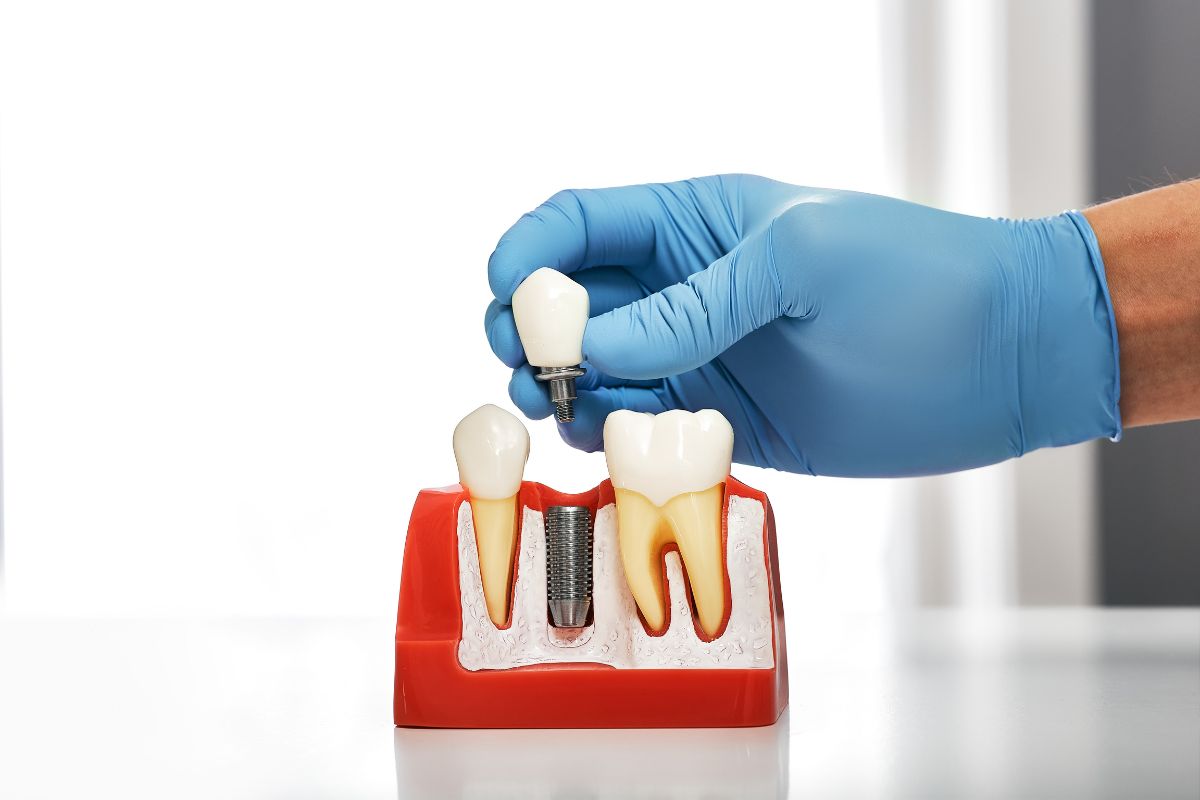
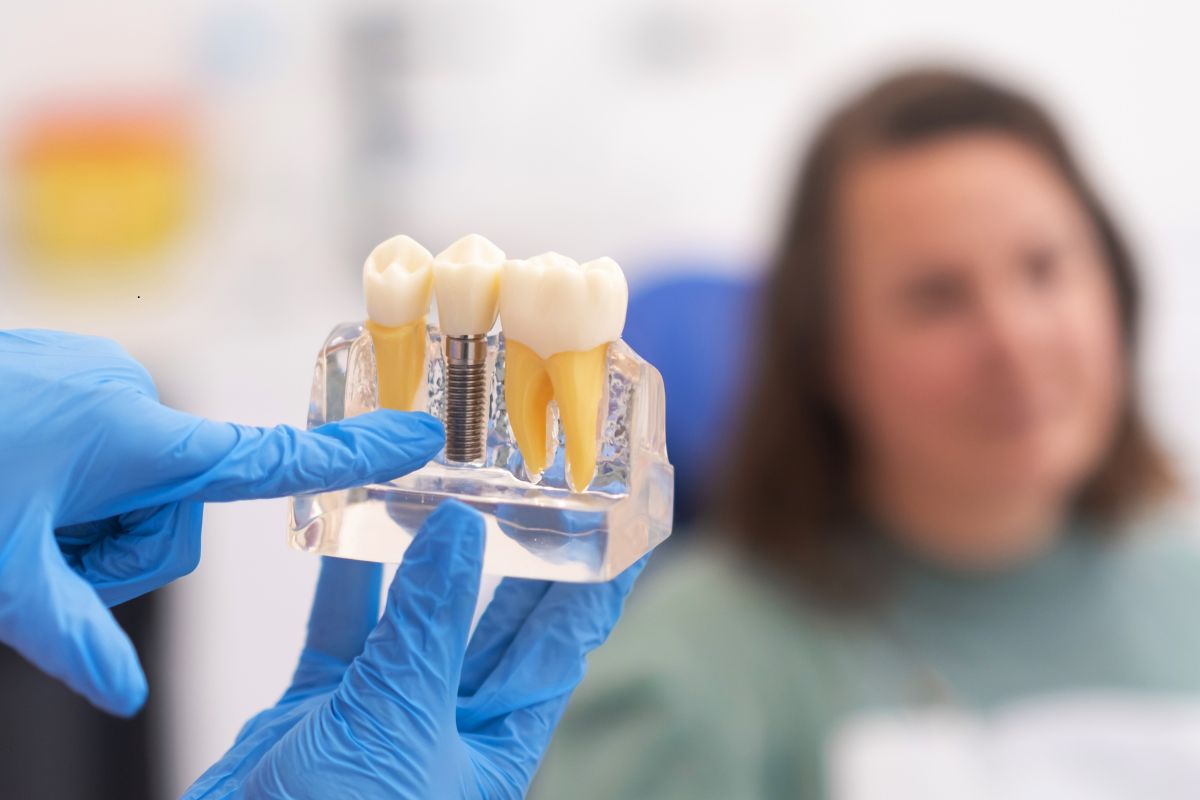
Before diving into how long dental implants last, it’s essential to understand what they are. A dental implant consists of three main parts: a titanium post that acts as the root of the tooth, an abutment, and a dental crown. The titanium post is surgically placed into the jawbone, where it fuses with the bone in a process called osseointegration. Once the implant is fully integrated, a crown is attached, providing a natural-looking replacement for a missing tooth.
Dental implants are highly durable and offer a long-term solution, but their lifespan is influenced by various factors.
1. Quality of the Implant Material
One of the most critical factors that affect the longevity of dental implants is the quality of the materials used. High-quality titanium implants are known for their strength and biocompatibility, which allows them to integrate seamlessly with the jawbone. Poor-quality materials may not fuse as well with the bone, potentially leading to implant failure.
When considering dental implants, it’s important to choose a dentist who uses high-quality materials to ensure the long-term success of the procedure. Dental implants in Colorado Springs typically offer high standards of care, using the best materials to guarantee lasting results.
2. Oral Hygiene Practices
The longevity of your dental implants is closely linked to how well you care for them. Just like natural teeth, implants require regular brushing, flossing, and professional cleanings. While the implant itself won’t decay, the surrounding gum tissue and bone can still be affected by poor oral hygiene, leading to conditions like peri-implantitis (an infection similar to gum disease).
To ensure that your implants last as long as possible, it’s essential to:
- Brush your teeth at least twice a day using a soft-bristle toothbrush
- Floss regularly to remove plaque from hard-to-reach areas
- Use an antibacterial mouthwash to minimize bacteria buildup
- Visit your dentist regularly for cleanings and checkups
By maintaining excellent oral hygiene, you can prevent infections and gum disease, which are major threats to the longevity of dental implants.
3. Bone Health and Density
A strong and healthy jawbone is essential for the long-term success of dental implants. The implant post must fuse with the bone to create a stable foundation. If the jawbone lacks density or has deteriorated due to tooth loss or other factors, the implant may not integrate properly, leading to a shorter lifespan.
For those with insufficient bone density, additional procedures like bone grafting may be recommended before getting implants. By improving the bone’s quality, you increase the chances of a successful and long-lasting implant. Your Colorado Springs dental implant specialist can evaluate your bone health to determine if you’re a good candidate for implants and suggest ways to improve bone density if necessary.
4. Implant Placement and Surgical Skill
The placement of the dental implant is another crucial factor that influences its longevity. An implant must be placed at the correct angle and depth to ensure it properly integrates with the jawbone. Poor placement can result in complications such as improper healing, bone loss, or even implant failure.
Choosing an experienced and skilled dentist is vital for the success of your dental implants. A knowledgeable dentist will not only ensure correct placement but also monitor the healing process to prevent complications. Dental implants in Colorado Springs are often performed by experienced professionals who use advanced techniques to ensure optimal results.
5. Lifestyle Habits
Your lifestyle choices can significantly impact the lifespan of your dental implants. Certain habits, such as smoking, can negatively affect the healing process and reduce the implant’s longevity. Smoking restricts blood flow to the gums and jawbone, which can lead to delayed healing and a higher risk of infection. If you smoke, it’s highly recommended to quit before undergoing the dental implant procedure.
Other habits, such as grinding your teeth (bruxism) or chewing on hard objects like ice or pens, can put excessive pressure on the implant. Over time, this pressure can weaken the implant and cause damage. Wearing a night guard can protect your implants if you grind your teeth while sleeping.
By maintaining a healthy lifestyle and avoiding harmful habits, you can significantly increase the lifespan of your dental implants.
Tips for Extending the Lifespan of Your Dental Implants
Now that we’ve covered the factors affecting dental implant longevity, here are some practical tips to help you extend their lifespan:
- Maintain Good Oral Hygiene: Brush and floss regularly, and visit your dentist for professional cleanings every six months. Proper oral hygiene is key to preventing infections and gum disease.
- Avoid Smoking: If you smoke, quitting will improve your overall oral health and increase the chances of long-term implant success.
- Wear a Night Guard: If you grind your teeth at night, wearing a night guard will protect your implants from excessive pressure.
- Eat a Healthy Diet: A balanced diet rich in vitamins and minerals supports bone health, which is crucial for maintaining strong implants.
- Regular Dental Checkups: Regular visits to your dentist will help detect any potential issues early, ensuring your implants remain in good condition.
How Long Can You Expect Dental Implants to Last?
When properly cared for, dental implants can last a lifetime. The implant post itself is designed to be permanent, while the crown may need to be replaced after 10-15 years due to normal wear and tear. However, with good oral hygiene and regular dental care, many people find that their dental implants last much longer than expected.
Dental implants are a durable and long-lasting solution for replacing missing teeth, but their lifespan can be influenced by several factors. By choosing high-quality materials, maintaining good oral hygiene, and avoiding harmful habits, you can ensure that your dental implants last for many years to come.
At Apple Grove Dental in Colorado Springs, CO, we specialize in providing high-quality dental implants using the latest techniques and materials. Our experienced team is dedicated to helping you achieve a beautiful and healthy smile that lasts a lifetime.