Tooth loss can impact more than just your facial appearance. It can impact how you eat, speak, and your long-term oral health. Implants have become a trusted solution for many when it comes to restoring smiles and function. Whether you are missing one tooth or several, advanced options are available to help rebuild your smile with comfort and confidence.
This blog explores the various kinds of dental implants, their advantages, and the restoration process. Keep reading to learn how prostheses work and what to expect.
What Are Dental Implants?
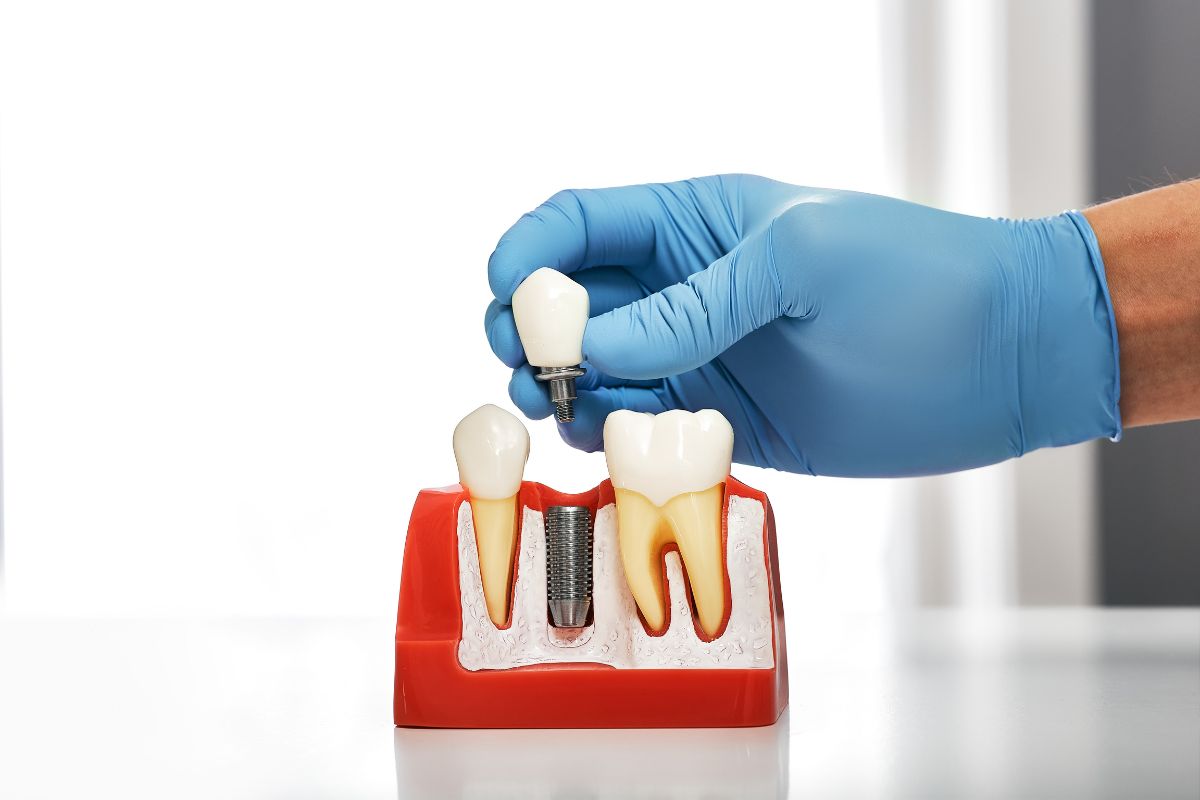
A dental implant serves as a fixed replacement for a natural tooth root. It is usually made of titanium and goes directly into the jawbone through a surgical procedure. The bone fuses with the implant through a process called osseointegration. Once healed, your dentist attaches an abutment that acts as a connector between the implant and the final crown.
Common Types of Implant Solutions
The suitable type depends on the patient’s oral condition, bone structure, and absent teeth. Several options are available for dental prostheses, which include the following:
Single Tooth Replacement
If only one tooth is gone due to injury or decay, a single prosthetic is often recommended. It helps preserve jawbone structure and prevents nearby teeth from shifting out of place. With proper care, this solution is long-lasting and blends naturally with the rest of the teeth.
Multiple Tooth Restoration
When more than one tooth is absent in the same area, an implant-supported bridge may be the most effective solution. Instead of relying on adjacent teeth for support, this option uses biocompatible posts to anchor a series of connected crowns. This provides greater stability to your smile and eliminates the need to modify healthy surrounding teeth.
Full Arch Restoration
For individuals who have lost many or all of their teeth, full arch solutions provide a complete makeover. Implants are placed in the jaw to support fixed replacement teeth. They restore function, improve appearance, and help prevent bone loss better than any other option.
Advantages of Undergoing Dental Implant Surgery
One of the key benefits of getting Dental Implant in Colorado Springs is the natural look and feel they offer. Once prosthetic roots are fully integrated with the jawbone, they closely mimic the structure of real teeth. This stability prevents the awkward movement often associated with removable dentures.
Functionality is another primary consideration among patients who qualify for implant surgery. Individuals can chew and smile with ease with prosthetic teeth. You can easily eat hard or crunchy foods and speak clearly without slipping or clicking sounds.
In terms of long-term oral health, artificial roots support the jawbone and prevent bone deterioration. This not only helps maintain facial shape but also reduces the risk of more severe dental complications down the line.
The Dental Implant Process
Here’s what happens when you book your implant consultation.
- Initial Evaluation
The first appointment includes a complete assessment of your oral health. Your dentist examines your gums, reviews your medical history, and collects digital images through X-rays or 3D scans. This helps them determine whether your jawbone is strong enough to support an implant.
- Planning for Treatment
You receive a customized strategy to guarantee successful implant outcomes. You might require bone grafting surgery if your bone density is insufficient to hold prosthetic teeth. Your projected recovery period and the number of implants you require mostly decide the final strategy for tooth replacement.
- Surgical Placement of the Post
During this stage, your Colorado Springs dentist surgically inserts a titanium post into the jawbone under local anesthesia. This post acts as the foundation to support the future crown or false tooth. After placement, the area is stitched and given adequate time to heal.
- Healing and Osseointegration
Over the next few months, the jawbone naturally fuses with the post through a process called osseointegration. This stage is crucial for strengthening the bone and stability of the final tooth restoration.
- Abutment Placement
Your dentist attaches a small connector piece, or an abutment, to the post after the healing of the surgery site. This part protrudes slightly above the gum line and secures the crown in its place.
- Crown Fabrication and Placement
To create a crown that matches the shape, size, and color of your natural teeth, impressions are collected by the implant specialist. It is securely fixed to the abutment, which then serves as your new prosthetic tooth.
- Follow-Up and Maintenance
Regular checkups are recommended to monitor the condition of your dental implants. You are also advised to maintain good oral hygiene and visit the clinic to keep your new smile flawless.
Are you considering prosthetic teeth to replace those missing ones? We are your premier destination that provides tailored dental implants in Colorado Springs for a confident smile that you can flaunt for years. Reach out to Dr. Toan Chung today for a detailed discussion on your missing teeth replacement.